Aviator oxygen is a colorless, odorless, and tasteless gas that is used in aviation to provide supplemental oxygen to pilots and passengers at high altitudes. At high altitudes, the air pressure and oxygen levels are lower, which can cause hypoxia or altitude sickness. Aviator oxygen is stored in portable oxygen bottles or built into the aircraft’s oxygen system, and is a critical safety feature for aviation professionals and passengers. It is an essential tool for pilots and other aviation professionals in ensuring safe and comfortable flights.
Features
- Aviator oxygen is a colorless, odorless, and tasteless gas.
- It is used in aviation to provide supplemental oxygen to pilots and passengers at high altitudes.
- At high altitudes, the air pressure and oxygen levels are lower, which can cause hypoxia or altitude sickness.
- Aviator oxygen is stored in portable oxygen bottles or built into the aircraft’s oxygen system.
- It is a critical safety feature for aviation professionals and passengers.
Specifications
Cylinder
- Connection Valve (CGA) : CGA 540
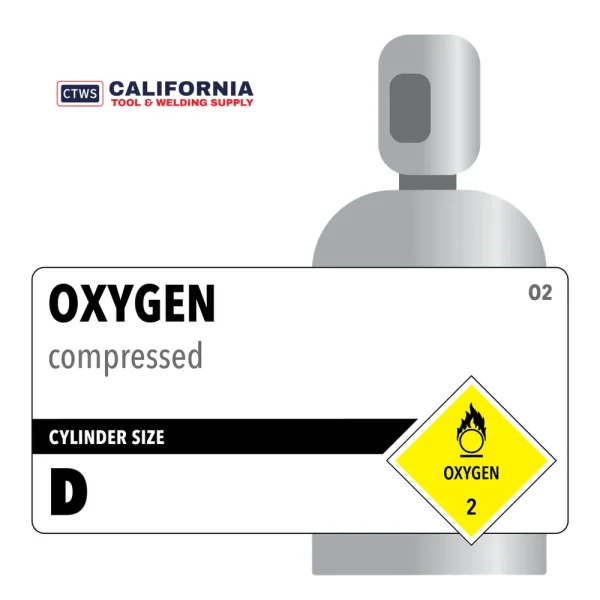
- Cylinder Size : D
- Cylinder Volume (lbs, l, or ft3) : 14 ft3
- Cylinder Material : Varied
Technical
- Gas : Oxygen
- Symbol : O2
- Purity : 99.5%
- Chemical Symbol : O2
- Gas Grade : Aviators
- Molecular Mass : 32 g/mol
- Specific Volume : 12.1 ft3/lb (0.76 m3/kg)
- CAS Number : 7782-44-7
Shipping
- Shipping Name : Oxygen, Compressed
- Hazard Class : 2.2 (5.1)
- UN Number : 1072
- Label : Nonflammable Gas, Oxidizer
Safety
- Physical state : Gas
- Appearance : Colorless gas
- Color : Colorless
- Odor : No odor warning properties
- Melting point : -219 °C (-362°F)
- Boiling point : -183 °C (-297°F)
- Critical temperature : -118.6 °C (-181.48°F)
- Critical pressure : 50.4 bar (731.4 psia)
- Relative vapor density at 20 °C : 0.0827 lb/ft3 (1.325 kg/m3) absolute vapor density at 70°F/21.1°C, 1 atm
- Relative vapor density at 20 °C : 1.1
- Density : 1.4289 kg/m_ (at 21.1 °C)
- Relative gas density : 1.1
- Solubility : Water: 39 mg/l
- Oxidizing properties : Oxidizer