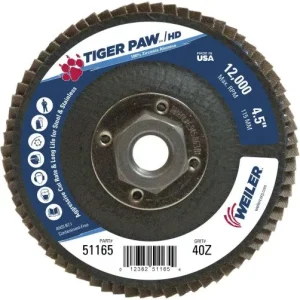
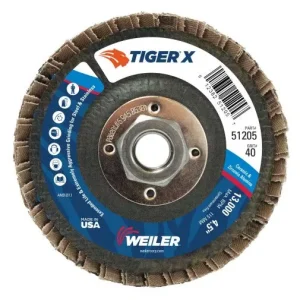
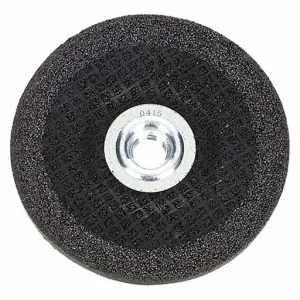
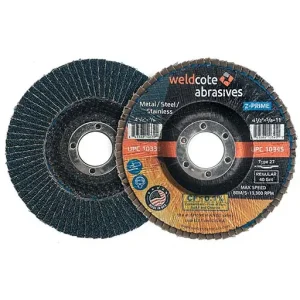
Abrasives do the work before and after the weld. Bevel preparation, weld dressing, spatter removal, blending and finishing all depend on having the right abrasive for the material and the stage of the job.
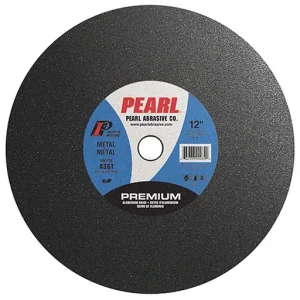
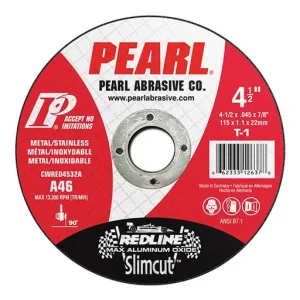
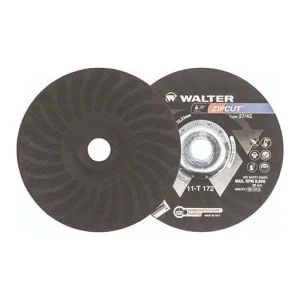
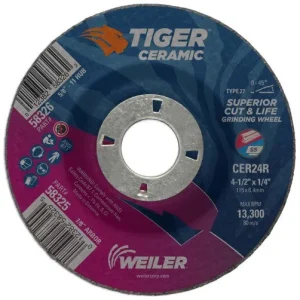
Grinding wheels are specified by type number, abrasive and grit. Type 27 depressed-centre wheels are the general-purpose choice for angle grinders and run at a specific maximum RPM that must be respected — mounting a wheel rated for 8,500 RPM on a 12,000 RPM grinder is dangerous. Type 1 cut-off wheels are thin and designed for cutting only, never for side grinding.
Zirconia alumina is the standard grain for heavy stock removal on steel; aluminium oxide is cheaper but slower; ceramic grain (such as Cubitron) cuts fastest and coolest and lasts longest on hard and stainless steels. Grit number works backwards from what most people expect: 36 and 40 grit remove material fast, 60 to 80 grit is general blending, 120 and finer is finishing.
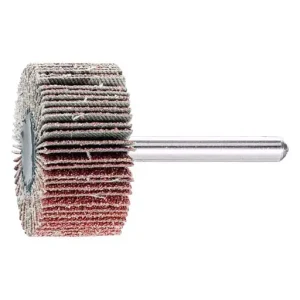
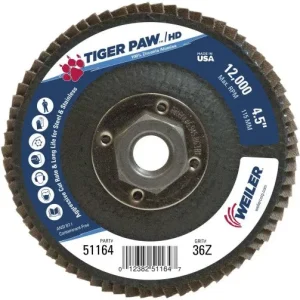
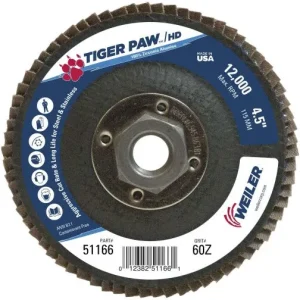
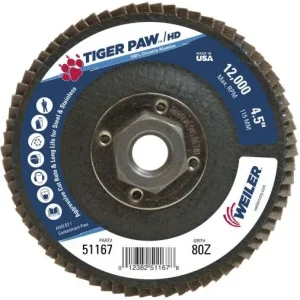
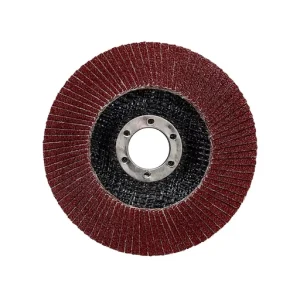
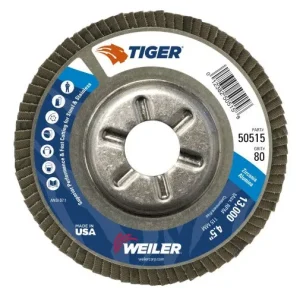
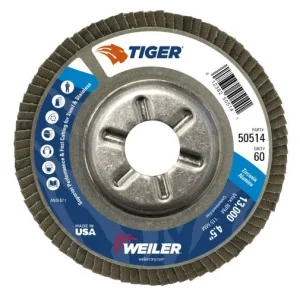
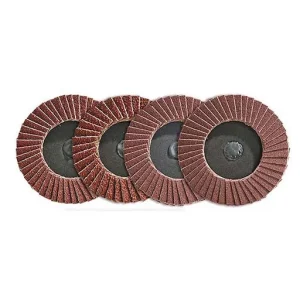
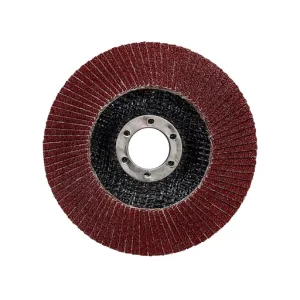
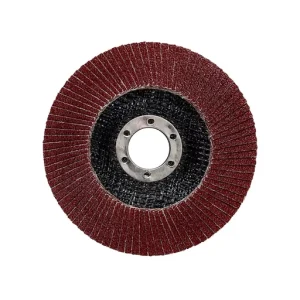
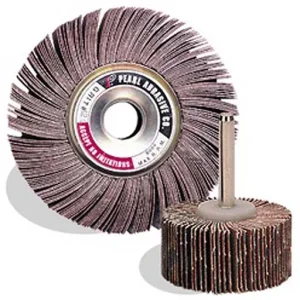
Flap discs bridge the gap between a grinding wheel and a sanding disc. They grind like a wheel and finish like a disc, which is why they have largely replaced both for weld dressing on steel and stainless. Coated flap discs use a zirconia or ceramic cloth on a fibre backing; the type 29 conical shape is angled for getting into corners and fillets.
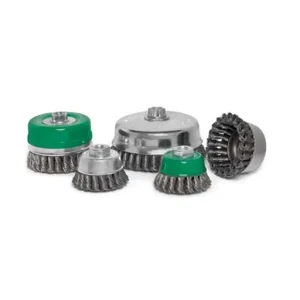
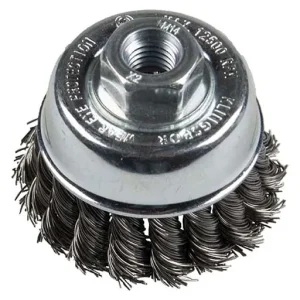
Wire brushes clean without removing base metal — for spatter, scale, slag and paint removal before welding and between passes. Knot wire is aggressive and used on heavy scale and rust; crimped wire is softer and used for cleaning and light deburring. Cup brushes for flat surfaces, end brushes for holes and inside corners.
Carbide burrs cut hardened steel, stainless and aluminium where an abrasive wheel would load up or burn. They are specified by cut type (single, double, aluminium) and by head shape — cylindrical, tree, oval, ball — which follows the geometry of the work.
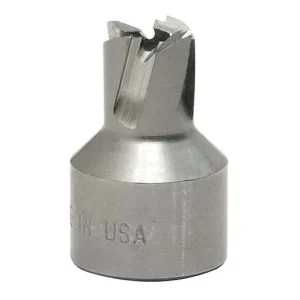
Cutting tools cover saw blades, hole saws, annular cutters, drill bits and pipe cutters. Band saw blades are specified by tooth pitch per inch, which must match material thickness: coarse teeth for thick sections, fine teeth for thin wall tube where coarse teeth catch and break.