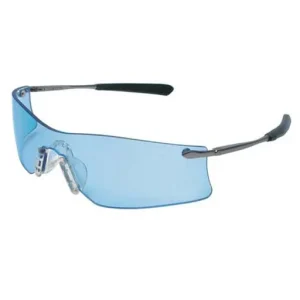
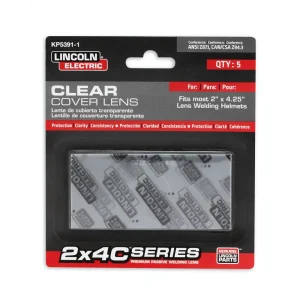
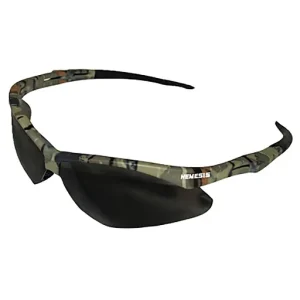
Welding PPE exists because the arc is genuinely dangerous. An open arc produces ultraviolet and infrared radiation intense enough to cause arc eye (photokeratitis) in seconds and skin burns in minutes, plus spatter at 1,000 degrees plus, fumes from the filler and any coating on the metal, and noise from grinding and plasma cutting.
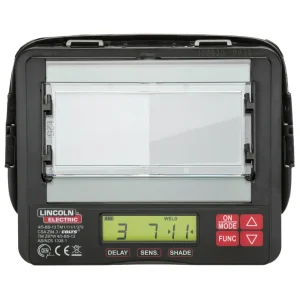
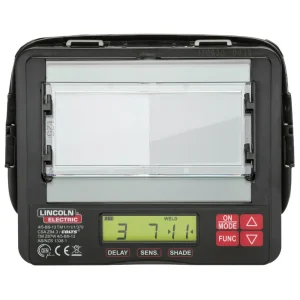
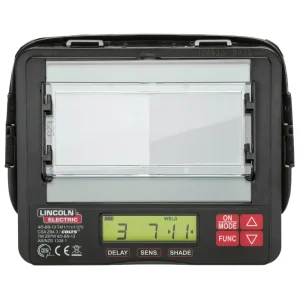
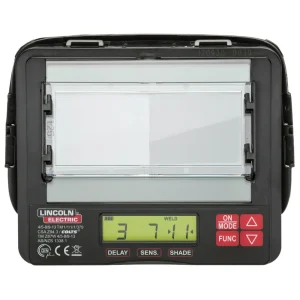
Welding helmets are the first line of defence. Auto-darkening filters switch from a light shade to a dark shade when the arc strikes, so you can position the torch with the helmet down. The two numbers that matter are the light state (usually shade 3-4) and the dark state, which should be shade 10 for low-amperage TIG, 10-11 for MIG and general work, and 11-13 for high-amperage or heavy-plate work. Response time and the number of sensors determine how well the filter handles out-of-position work and overhead welding.
Passive helmets with a fixed shade are cheaper and never fail to darken, but you cannot see to start the arc. Many shops keep one as backup. PAPR systems add powered air filtration to the helmet, which handles both the fume problem and the heat problem on long welds and is often the difference between finishing a shift and stopping.
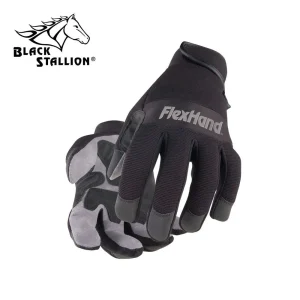
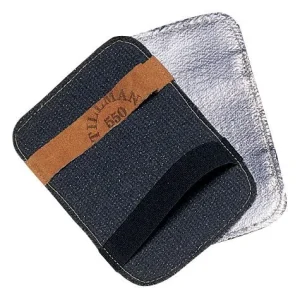
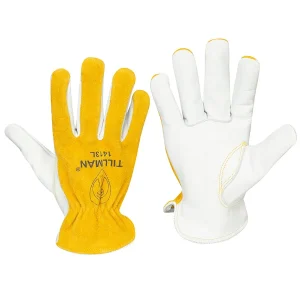
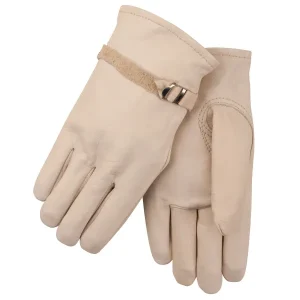
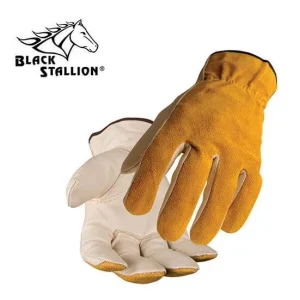
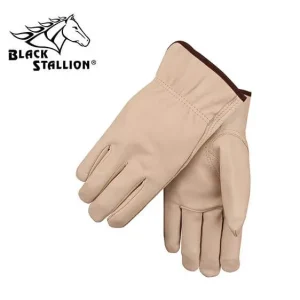
Gloves are graded by process. TIG gloves are thin and dexterous, made for feel rather than heat. MIG and stick gloves are heavier leather with a gauntlet cuff. Aluminised and reflective gloves are for radiant heat work. Split cowhide is durable and cheap; grain leather gives better feel and dexterity; deerskin and goatskin are the choice for TIG.
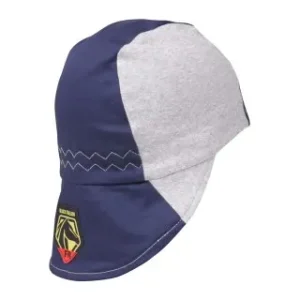
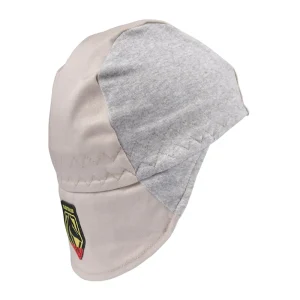
FR clothing covers jackets, sleeves, aprons, bibs and capes. The rating that matters is the arc rating (ATPV in cal/cm²), which must exceed the incident energy of the work. Untreated cotton and synthetics are not protection — synthetics melt onto skin. Leather protects against spatter and radiant heat but is heavy and hot.
Screens, curtains and blankets keep the arc away from other people and protect nearby surfaces from spatter. Welding curtains are graded by shade for flash protection, and are required wherever someone could see the arc. Blankets are graded for temperature and are used to protect equipment, floors and finished work.
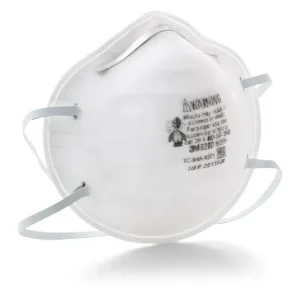
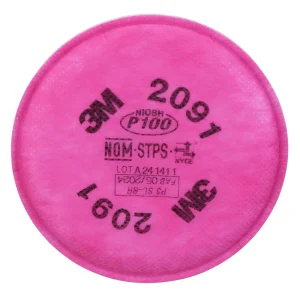
Respirators matter most for stainless and galvanised work, where the fume includes hexavalent chromium and zinc oxide respectively. A half-mask with particulate filters is the minimum; PAPR systems with the correct filter are the practical choice for production welding.