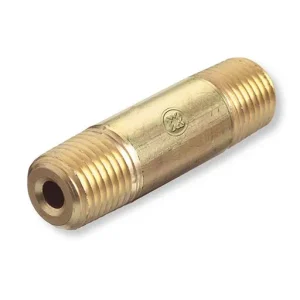
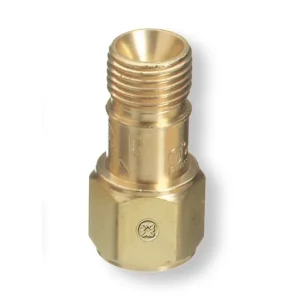
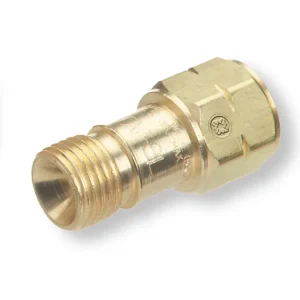
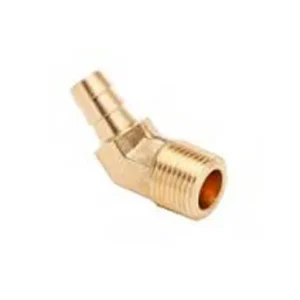
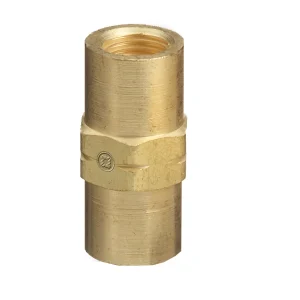
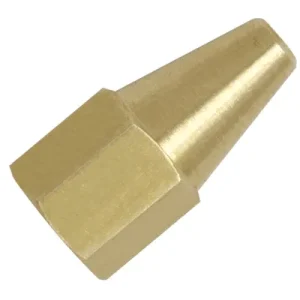
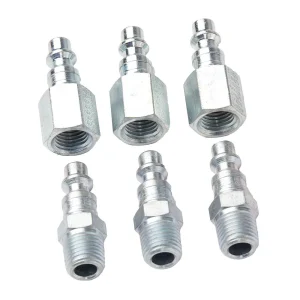
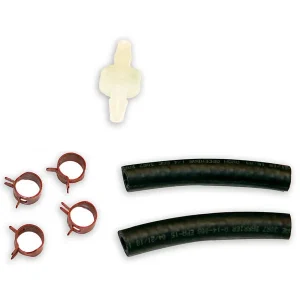
Gas equipment covers everything between the cylinder and the arc: regulators, flowmeters, hoses, fittings, torches, cutting outfits and cylinder handling hardware. It is the part of a welding setup where a wrong component is a safety problem, not just a performance one.
Regulators reduce cylinder pressure to a usable working pressure and hold it steady as the cylinder drains. Two-stage regulators hold output pressure more accurately as inlet pressure falls; single-stage units are cheaper and adequate for most shop work. Flowmeters are used for MIG and TIG shielding gas, where flow rate (in SCFH or CFH) rather than pressure is what matters. Typical MIG flow is 15-25 SCFH; too little leaves porosity, too much creates turbulence that pulls air into the weld.
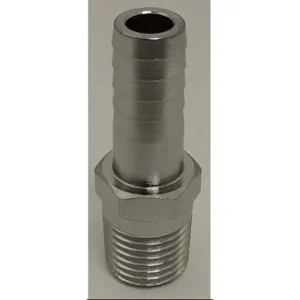
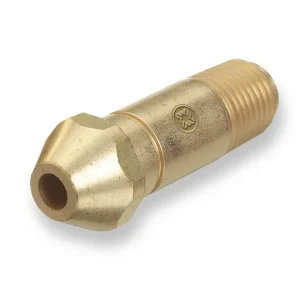
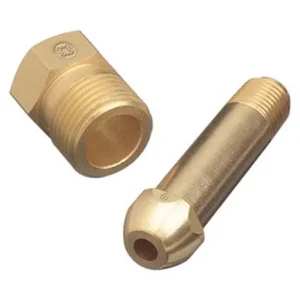
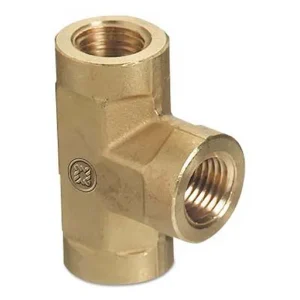
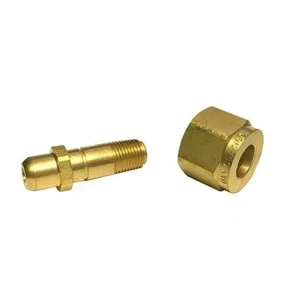
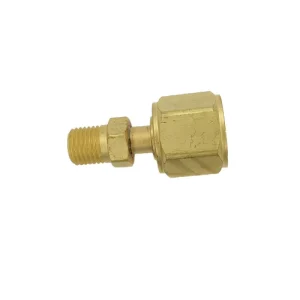
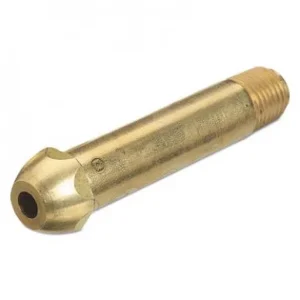
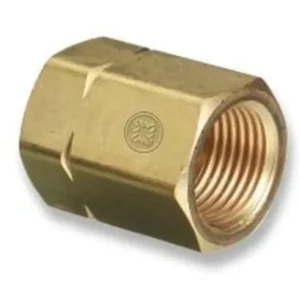
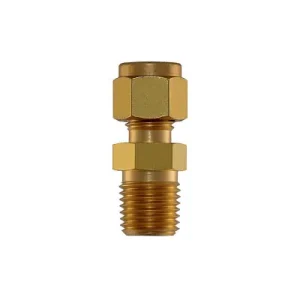
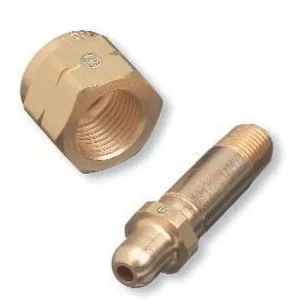
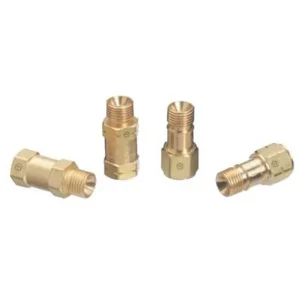
Gas service is defined by the cylinder valve connection. CGA-510 is the common acetylene connection, CGA-580 covers argon and argon mixes, CGA-320 is carbon dioxide, and CGA-350 covers nitrogen and some specialty gases. Fittings must match the CGA number exactly — adapters that cross between services are a hazard, not a convenience.
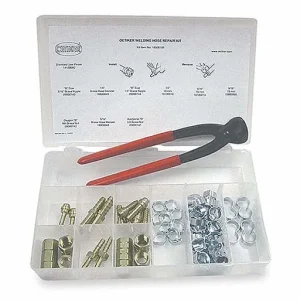
Hoses are graded for the service they carry. Grade R is for acetylene only, Grade T handles all fuel gases including propane and propylene, and Grade RM is for oxygen. Using an R hose with propane degrades the tube from the inside. Twin hose pairs oxygen and fuel in one assembly with different thread fittings so they cannot be cross-connected.
Oxy-fuel outfits bundle a torch handle, cutting attachment, regulators, hose and tips into a working set. Cutting capacity is set by tip size and oxygen supply, not by the torch body. Cylinder handling — stands, brackets, carts and racks — keeps full and empty cylinders upright and restrained, which is a requirement in most shops and a hard requirement for insurance in many.
Gas apparatus and specialty gas equipment cover the less common services: high-purity regulators for lab and instrument gas, manifolds for multi-cylinder supply, and purge equipment for stainless work.