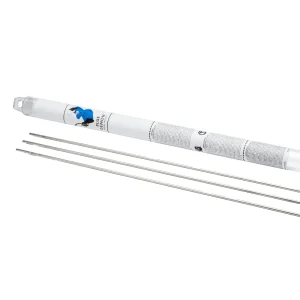
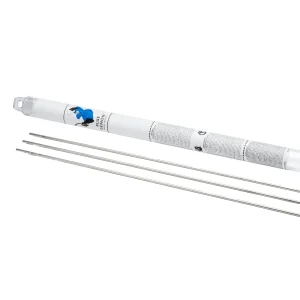
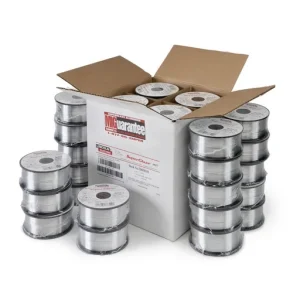
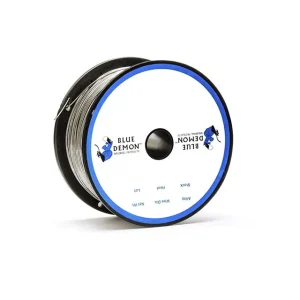
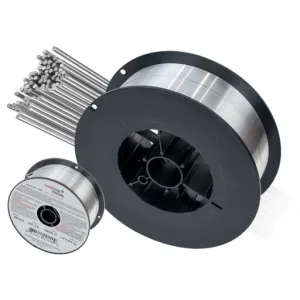
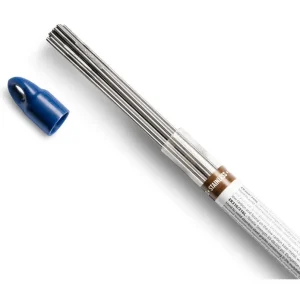
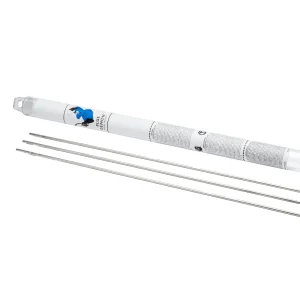
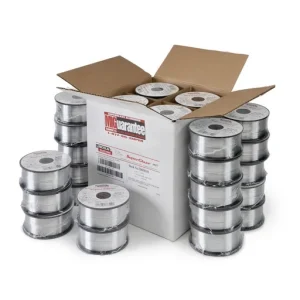
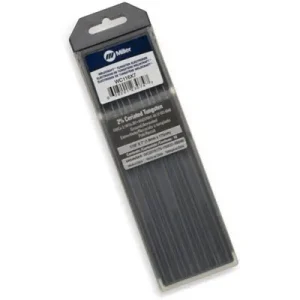
Filler metal determines the strength, corrosion resistance and appearance of a finished weld. This category carries MIG wire, flux-cored wire, TIG rod, stick electrodes, submerged arc wire, tungsten electrodes and brazing alloys, in the spool sizes and packaging that fabrication shops and repair work actually go through.
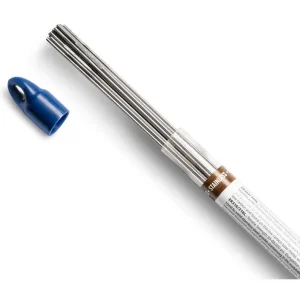
The filler must match the base metal, not just the process. ER70S-6 is the general-purpose choice for mild steel MIG and works on most low-carbon applications. ER308L and ER316L cover the 300-series stainless steels, with 316L adding molybdenum for resistance to chlorides and intergranular corrosion. ER4043 and ER5356 handle aluminium, with 5356 giving higher strength and better anodising response while 4043 flows more easily on castings and thin sections.
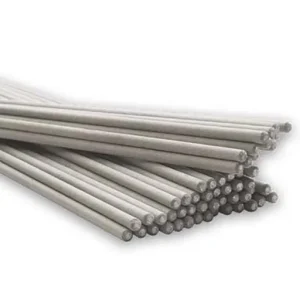
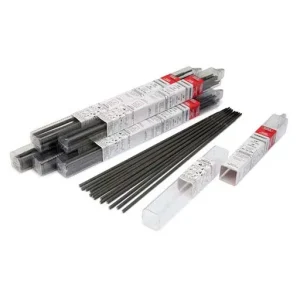
Stick electrodes are classified by position and coating. E6010 is a deep-penetrating cellulosic electrode used for pipe root passes; E7018 is a low-hydrogen iron-powder electrode that requires dry storage and gives the toughest, most crack-resistant deposit. Using a 6010 where a 7018 is specified, or vice versa, changes both the welding behaviour and the mechanical properties of the joint.
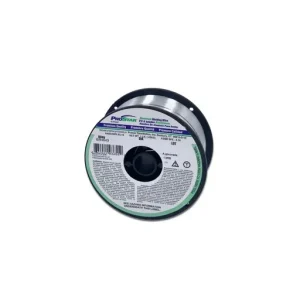
Diameter and packaging matter more than most buyers expect. Wire diameter sets the amperage range and deposition rate — thinner wire for thin material and lower heat input, thicker wire for productivity on plate. Spool weight affects how often you change out mid-job. Stick electrodes are sold by weight in sealed cans or tubes; low-hydrogen types must stay sealed until use.
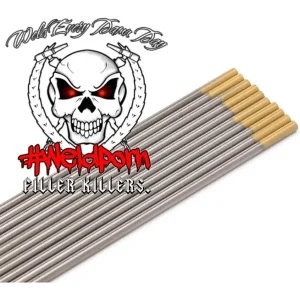
Tungsten electrodes are graded by the oxide added: thoriated (red) for DC work, lanthanated (gold) as a general replacement, ceriated (grey) for low amperage, and pure tungsten for aluminium AC. Each has a different arc-start characteristic and current-carrying capacity at the same diameter.