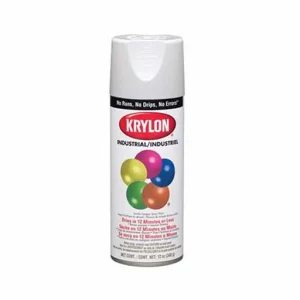
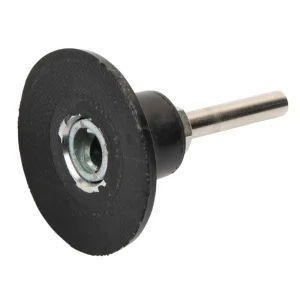
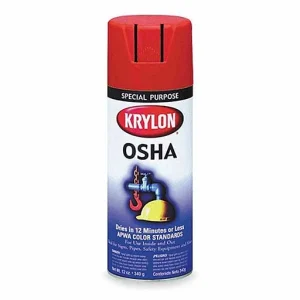
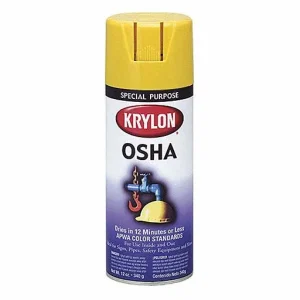
Auto body and paint work sits alongside welding for anyone repairing collision damage, restoring a vehicle or finishing fabricated parts. This category covers the body repair tools, fillers, coatings and spray equipment used in that work.
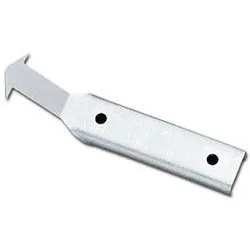
Body repair starts with straightening and panel work. Hammers, dollies, spoons and stud welders move metal back into shape; panel adhesive and self-piercing rivets replace welding on modern high-strength steels where heat would destroy the metallurgy. This matters more than it used to — most vehicles built after about 2010 use steels that cannot be conventionally welded without losing strength, and the manufacturer's repair procedure is the authority on which method applies.
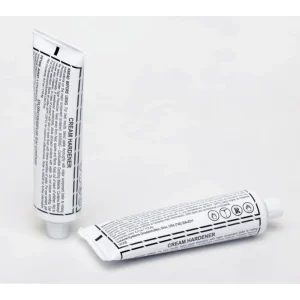
Body filler, glaze and putty fill the low spots left after straightening. Polyester filler is the standard for deeper repairs; glaze and putty are for pinholes and shallow imperfections. Filler must be applied over clean, properly prepared metal or it will lift. Two-part products have a working time set by the hardener ratio, and getting that ratio wrong is the most common cause of a repair that fails later.
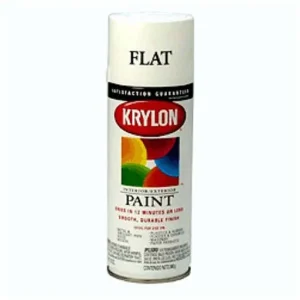
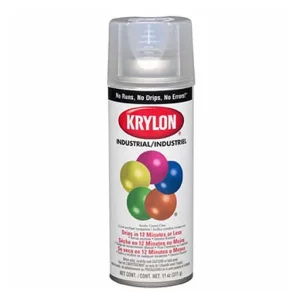
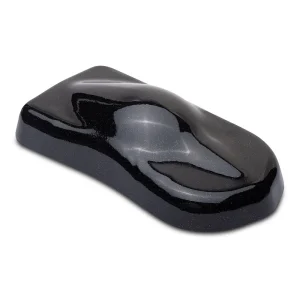
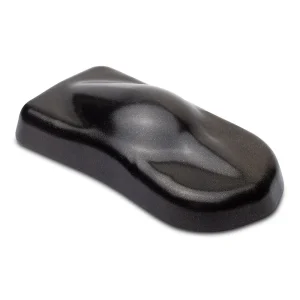
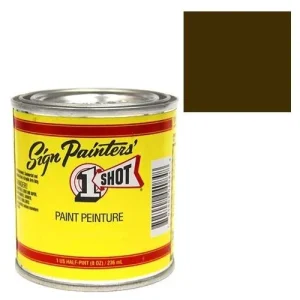
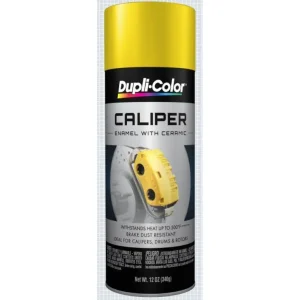
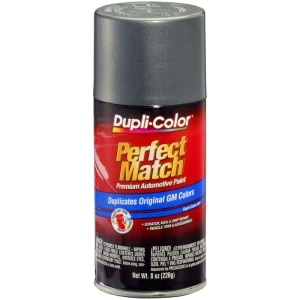
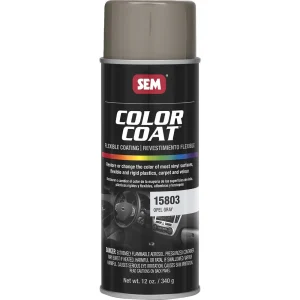
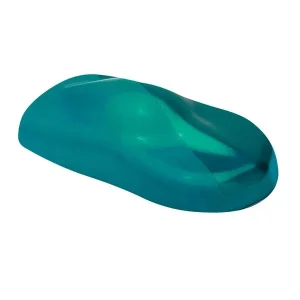
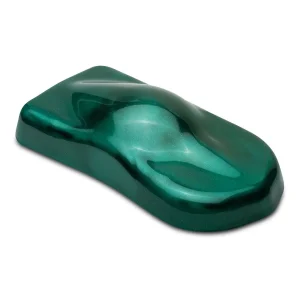
Paint systems are layered: primer for adhesion and corrosion protection, basecoat for colour, clearcoat for UV and chemical resistance. Single-stage paints combine colour and clear in one product and are simpler but less forgiving. Two-stage systems give better depth and repair ability. Mixing ratios are specific to each product line and are not interchangeable between brands.
Surface preparation decides the outcome more than the paint does. Sanding grit progression, panel wipe, tack rags and masking determine whether the finish bonds and whether it stays flat. Contaminant left under a coating shows up months later as lifting, fisheyes or peeling.
Spray equipment is matched to the coating. HVLP guns run at lower pressure and higher transfer efficiency, which reduces overspray and is required in many areas by regulation. Conventional guns atomise better on some high-solid products. Needle and nozzle size must match the product viscosity — a 1.3 mm setup sprays basecoat, a 1.8 mm setup sprays primer and high-build products.
Powder coating is a separate finishing route: electrostatically applied powder cured under heat, giving a harder and more durable finish than most liquid coatings, with the limitation that it requires an oven and does not work on heat-sensitive parts.