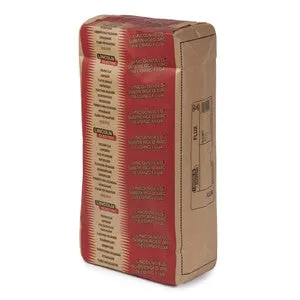
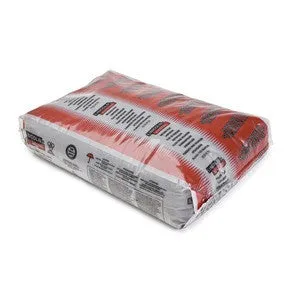
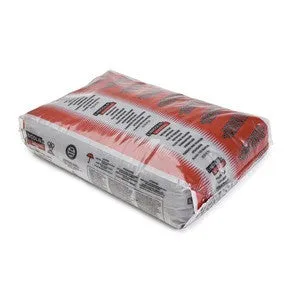
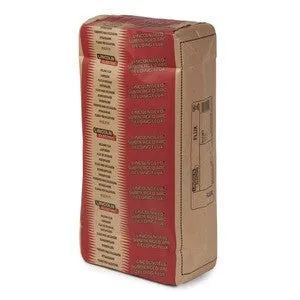

It is the process behind most heavy structural steel, pressure vessels, pipe and large shafts.
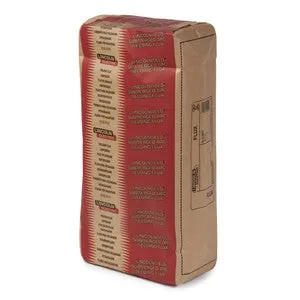
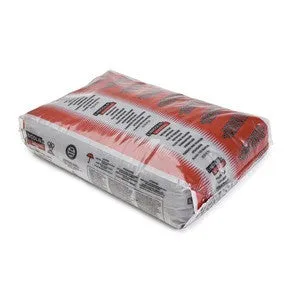
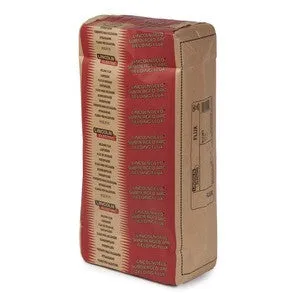
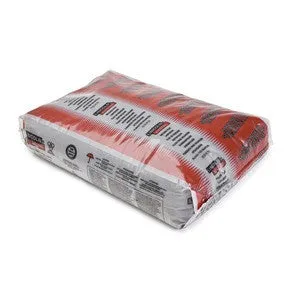
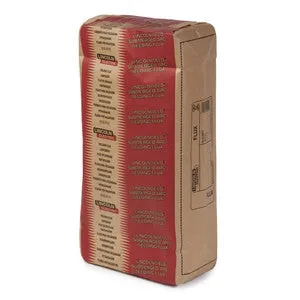
The wire is bare and solid, typically 3/32 to 1/8 in, and the flux is fed separately and recovered for reuse. Because the arc runs under flux, the process is limited to flat and horizontal positions — it cannot be used out of position.
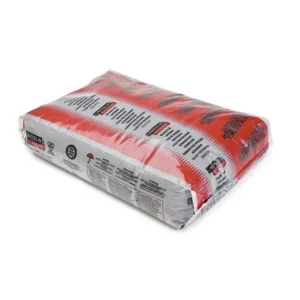
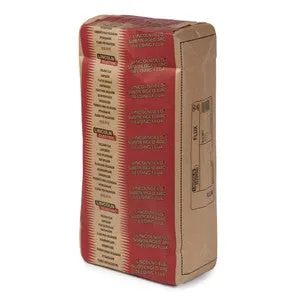
Wire and flux are matched as a combination, and the classification (such as F7A2-EM12K) describes the deposit properties of that wire-flux pair. Changing either component changes the mechanical properties of the weld, so the pair must be treated as a single consumable.
High deposition rates mean high heat input, which affects the toughness of the heat-affected zone. On thick sections this drives the need for preheat, interpass temperature control and sometimes post-weld heat treatment.