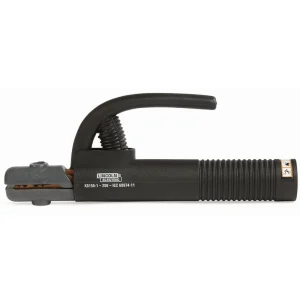
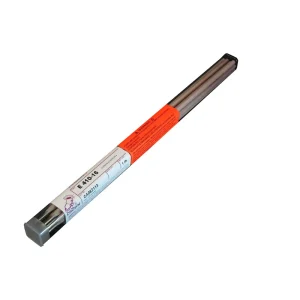
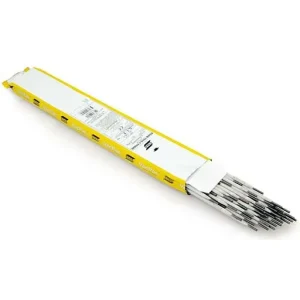
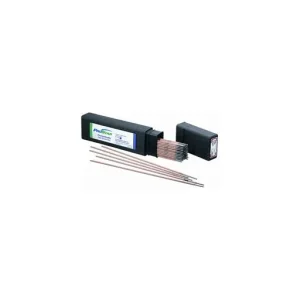
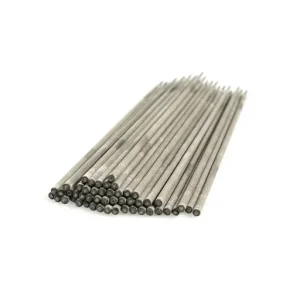
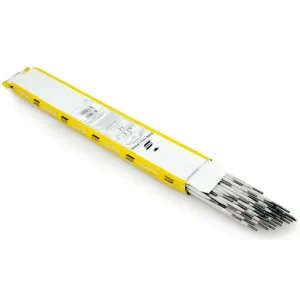
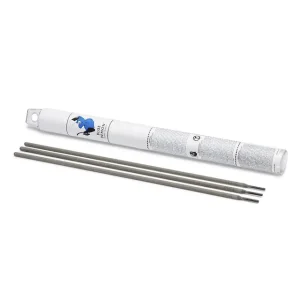
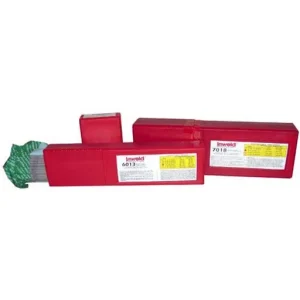
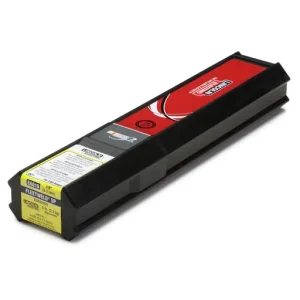
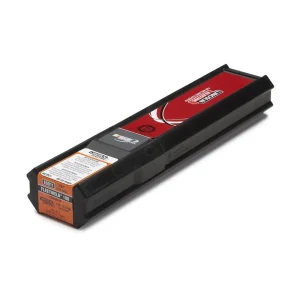
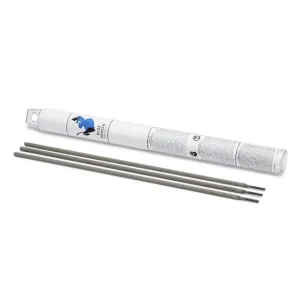
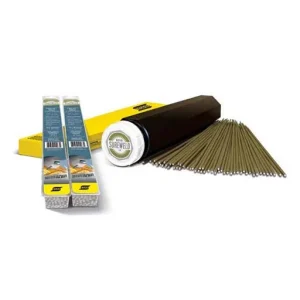
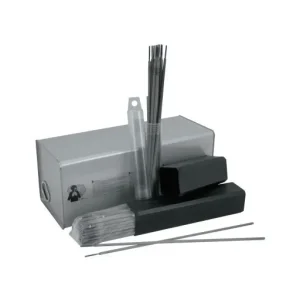
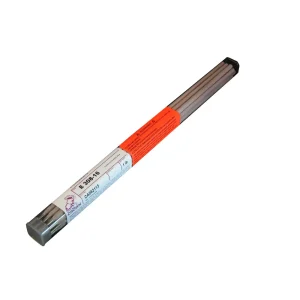
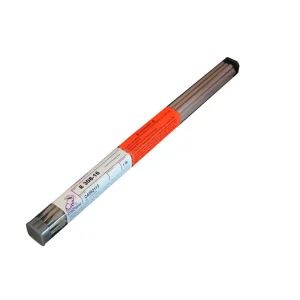
Stick electrodes are covered metal rods that carry both the filler metal and the shielding in the coating. The coating burns to create the gas shield and the slag that protects the cooling weld, which is why stick welding needs no external gas supply.
The AWS E-number tells you two things: the first two digits are tensile strength in ksi, and the last two describe the coating and current type. E6010 is a cellulosic electrode for DC electrode positive, deep penetrating, used for pipe root passes and dirty steel. E6011 is the AC version. E7018 is a low-hydrogen iron-powder electrode that gives the toughest, most ductile deposit and is specified wherever impact toughness or crack resistance matters.
Low-hydrogen electrodes (E7018, E11018 and similar) must be stored dry and used from a heated rod oven once the container is opened. Moisture in the coating introduces hydrogen into the weld, which causes underbead cracking that can appear days later. This is the single most common cause of stick weld failure in structural work.
Electrode diameter sets the amperage range: 3/32 in runs around 70-110 A, 1/8 in around 90-150 A, 5/32 in around 130-190 A. The ratio of coating thickness to core wire determines whether the electrode is designed for flat, vertical, overhead or all positions.