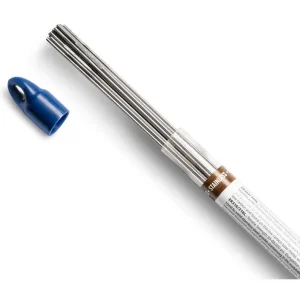
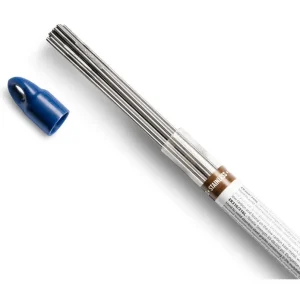
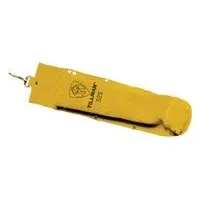
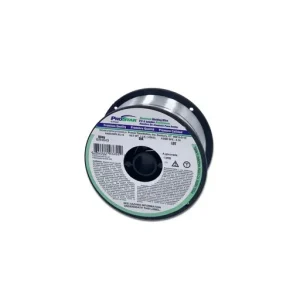
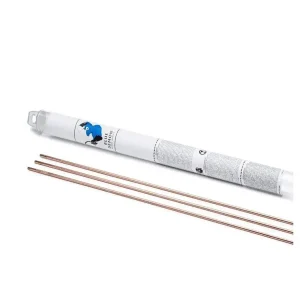
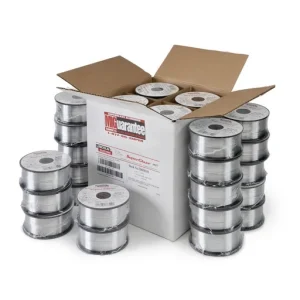
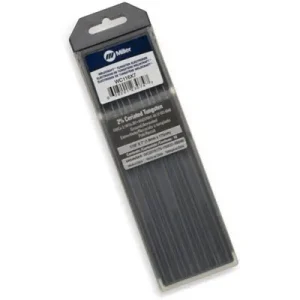
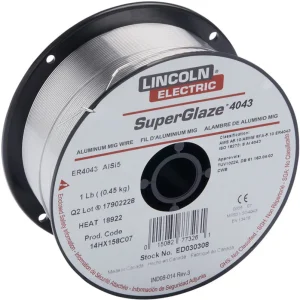
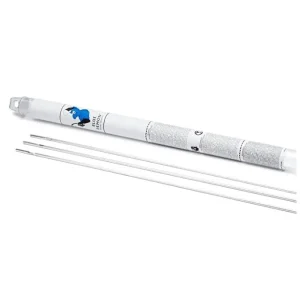
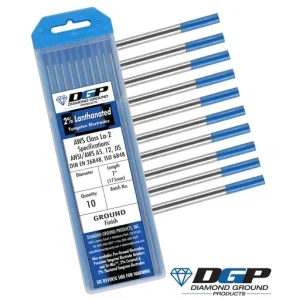
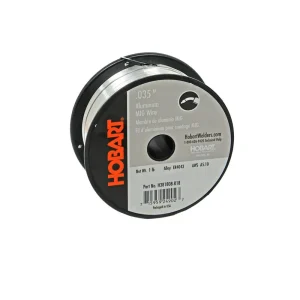
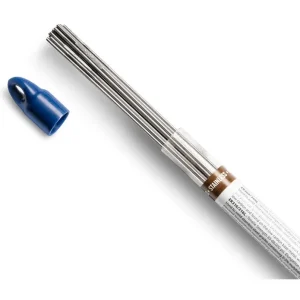
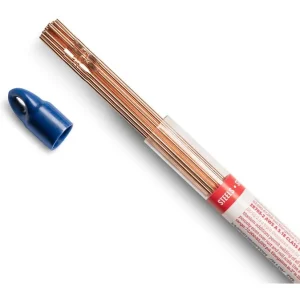
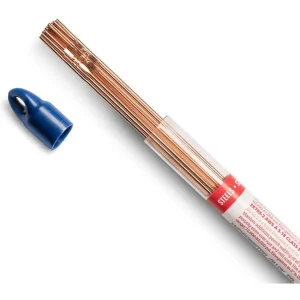
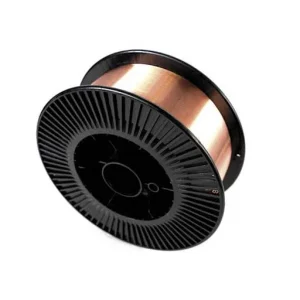
Filler metals are the wire, rod and electrode that become part of the weld. The classification system tells you the strength, the position capability and the intended base metal, and matching it correctly is the difference between a joint that holds and one that cracks.
AWS classifications for steel start with the tensile strength in ksi — ER70S-6 is a 70,000 psi filler for gas-shielded MIG on mild steel, and the S designates solid wire. For stainless the number is the alloy: ER308L for 304 base metal, ER316L where molybdenum is needed for chloride resistance, ER309L for joining stainless to carbon steel.
Position capability is a separate constraint. Fillers classed for flat and horizontal only (typically the high-deposition types) will not run out of position without the puddle falling out. The product listing states the positions each filler is rated for.
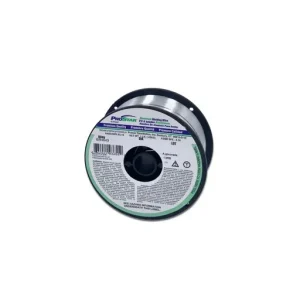
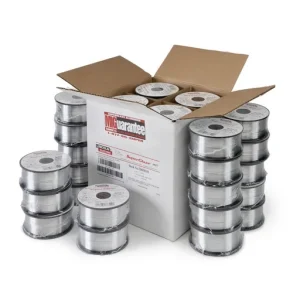
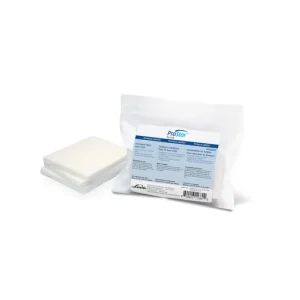
Packaging affects both cost and quality. Sealed spools and cans protect against moisture pickup, which matters most for low-hydrogen electrodes. Wire that has picked up moisture produces porosity that no amount of machine adjustment will fix.