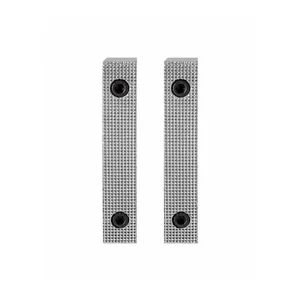
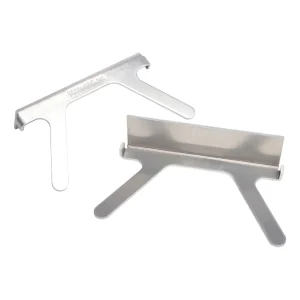
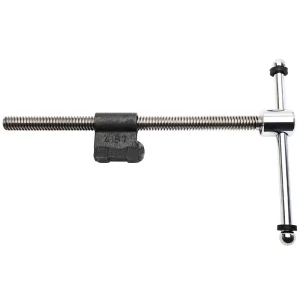
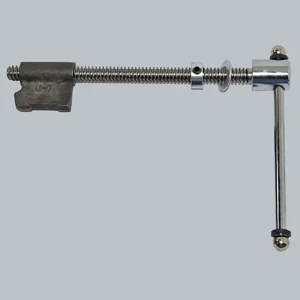

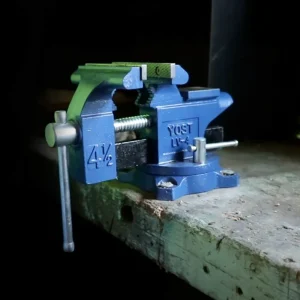
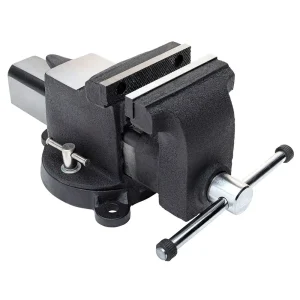
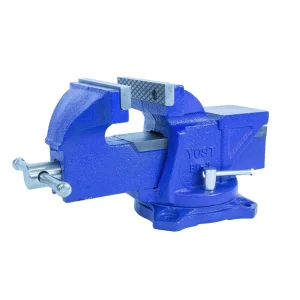
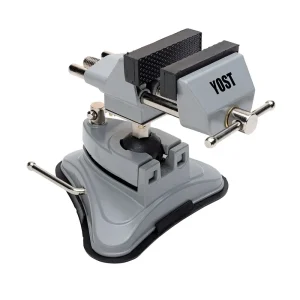
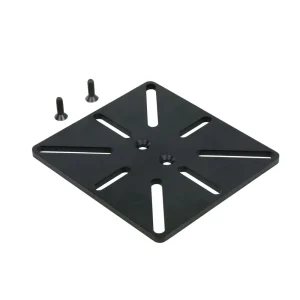
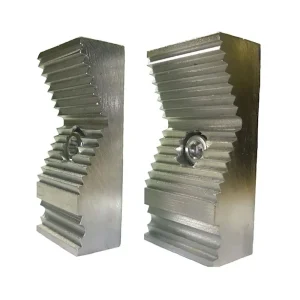
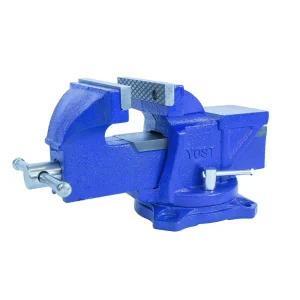
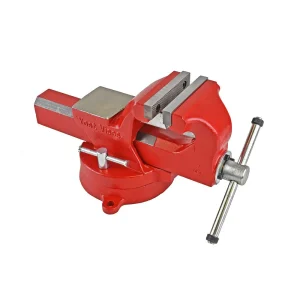
Bench vises are rated by jaw width and by jaw opening. A 4 in vise is general-purpose; 6 in and above handles heavier work. The mounting base matters as much as the vise — a vise bolted to a light bench will tear the bench apart under heavy load. Swivel bases allow the work to be repositioned without unclamping.
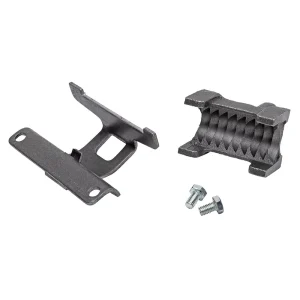
Specialty vises handle shapes a standard vise cannot. Pipe vises hold round work without crushing it; chain vises grip irregular and large diameter sections; yoke vises hold pipe for threading and cutting; machinist vises have precision jaws for accurate work.
Benches need to be heavy and rigid. A bench that flexes under hammering absorbs the force instead of transmitting it. Steel-top benches resist spatter and weld spatter does not embed in them the way it does in wood. Fixturing tables with a hole pattern replace the bench for fabrication work because they let the work be clamped down anywhere on the surface.