Pliers and snips grip, bend, cut and twist. They are the most-used hand tool in assembly work, and the type must match the task — using the wrong pliers damages the tool and the workpiece.
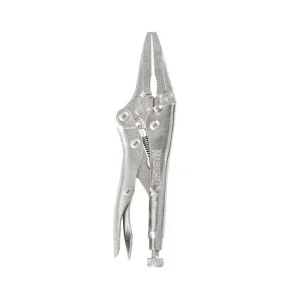
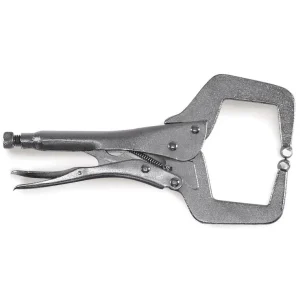
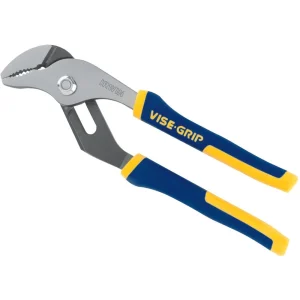
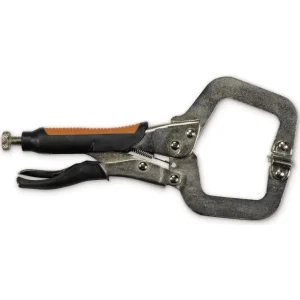
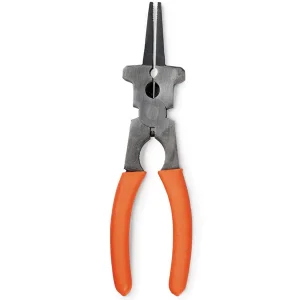
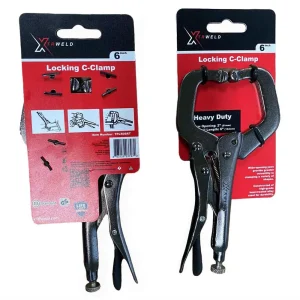
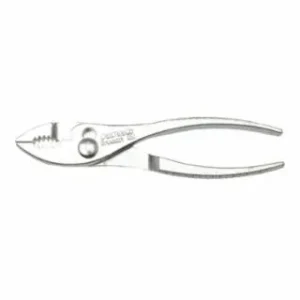
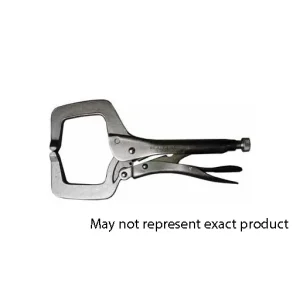
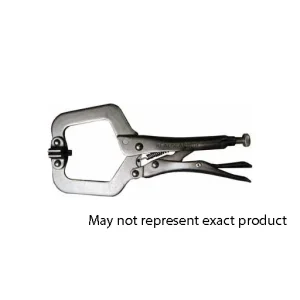
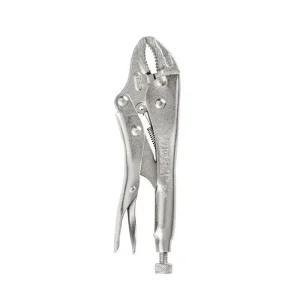
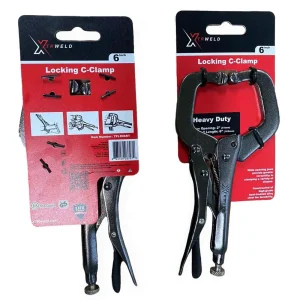
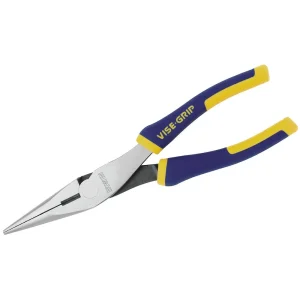
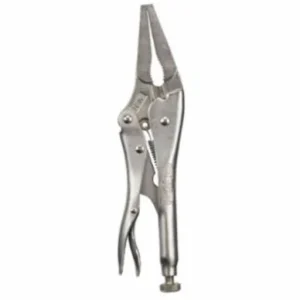
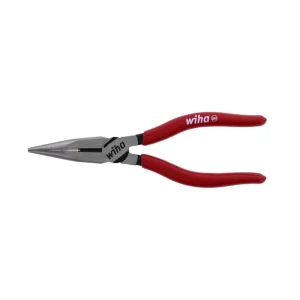
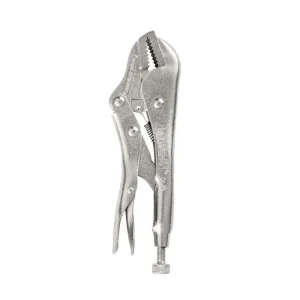
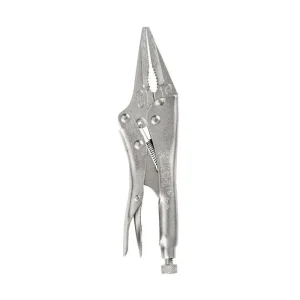
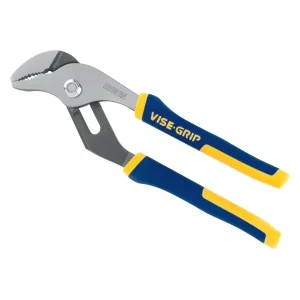
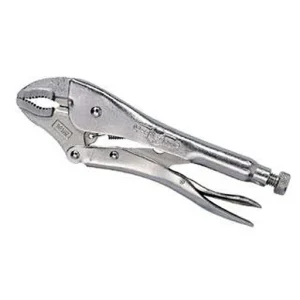
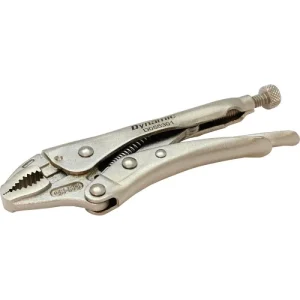
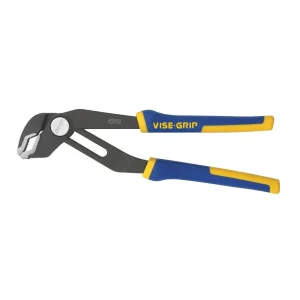
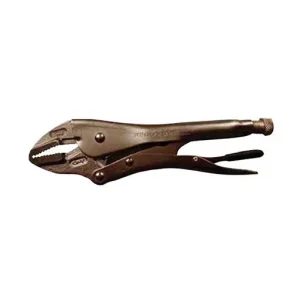
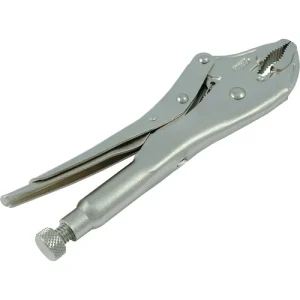
Pliers are specified by jaw shape and by function. Combination pliers grip and cut; needle-nose reach into confined spaces; diagonal cutters cut wire; lineman's pliers twist and cut heavy wire; slip-joint pliers adjust for two jaw openings; locking pliers clamp and hold. Tongue-and-groove pliers grip pipe and irregular shapes and are adjustable over a wide range.
Snips cut sheet metal. Aviation snips come in three configurations: left-cut, right-cut and straight-cut, named for the direction they curve. Using the wrong one on a long cut forces the snip off the line. Compound-leverage snips reduce hand force on heavy gauge. Offset snips keep the hand above the cut so the material does not ride up.
Cutting capacity is rated by material thickness and by material — snips rated for 18 gauge mild steel will not cut stainless of the same thickness because stainless work-hardens. Cutting edges are hardened and can be resharpened; a snip that has been used on wire is usually beyond saving.