Lighting in a weld shop affects both safety and weld quality. Welding helmets darken the view, so the light around the arc determines whether the puddle and the joint can actually be seen.
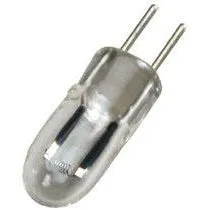
Work lights and task lights illuminate the joint before and after the weld. LED work lights give high output at low power and run cool; halogen lights give more heat and shorter lamp life. Magnetic-base and clamp-on lights attach to steel and benches without a separate stand.
Machine and inspection lights are used on drill presses, saws, band saws and inspection benches where the work needs to be seen precisely. These are usually fixed rather than portable.
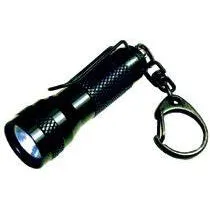
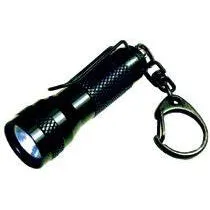
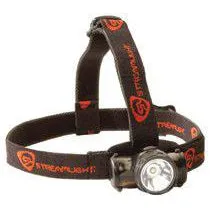
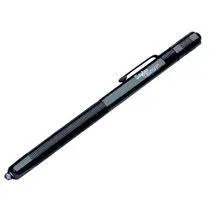
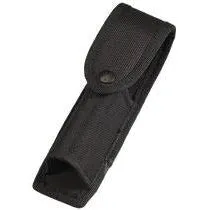
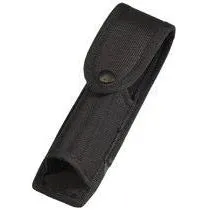
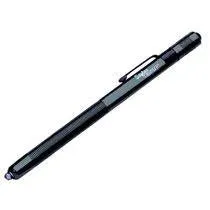
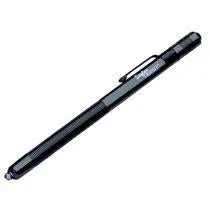
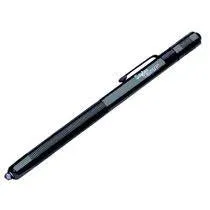
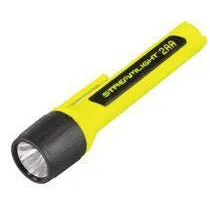
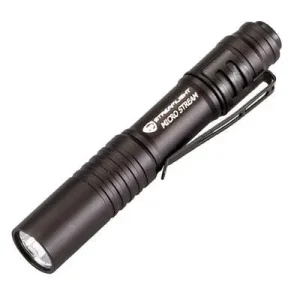
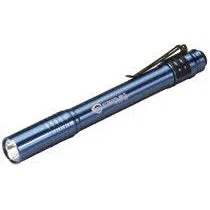
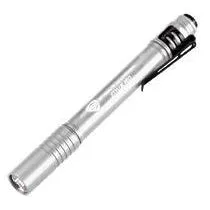
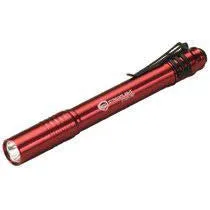
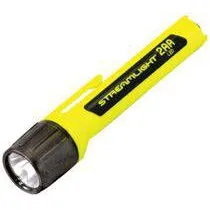
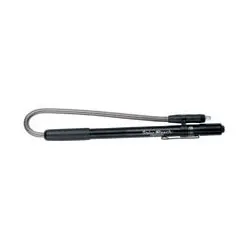
Flashlights and headlamps are part of the same equipment set. A headlamp frees both hands and is used constantly for inspection inside structures, under vehicles and in confined spaces. Rechargeable LED lights with a flood and spot mode cover both close work and distance.
Hazard and area lighting is a separate consideration — the light level needed to work safely in a shop is higher than in an office, and flicker and glare matter as much as brightness.