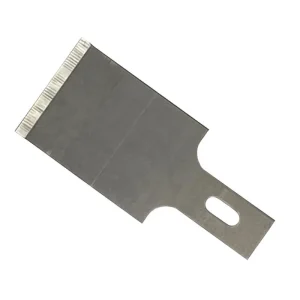
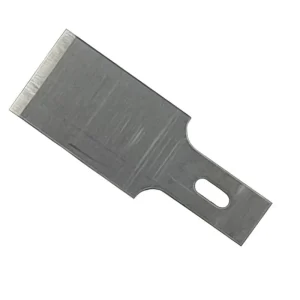
Hand cutting tools sever material where a power tool is impractical — in confined spaces, on site without power, or where the cut must be controlled precisely.
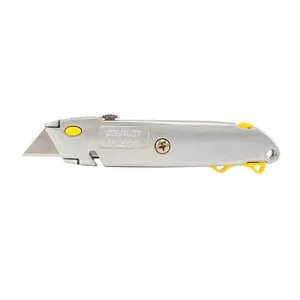
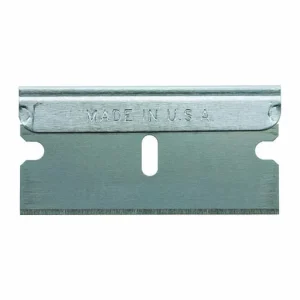
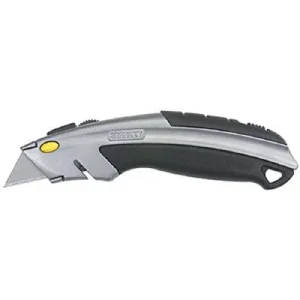
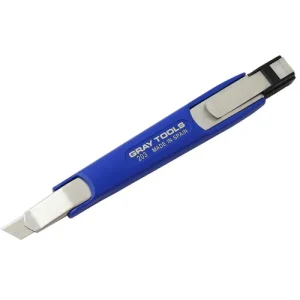
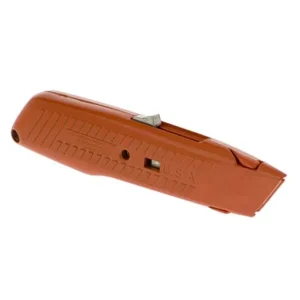
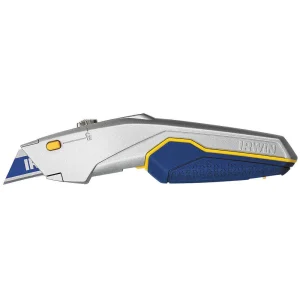
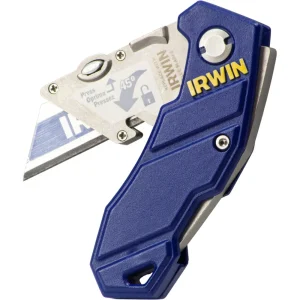
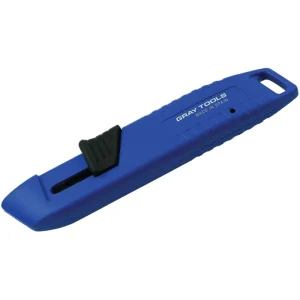
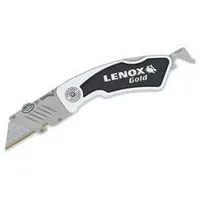
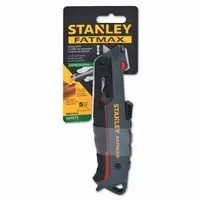
Utility knives and box cutters cut packaging, insulation, sheet goods and light material. Blade type matters: standard straight blades for general work, hook blades for roofing and flooring, snap-off blades for a fresh edge without changing the blade. Retractable and fixed-blade designs trade convenience against safety.
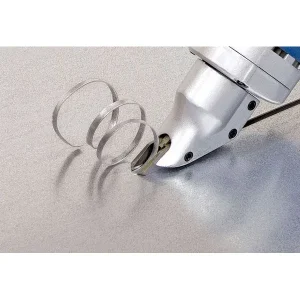
Snips and shears cut sheet metal. Aviation snips in left, right and straight configurations follow the cut direction; compound-leverage versions reduce hand force on heavier gauge; offset snips keep the hand clear of the material.
Hacksaws cut metal where a power saw will not fit. Blade pitch must suit the material — 18 TPI for thick sections, 24-32 TPI for thin wall tube and pipe, where coarse teeth would catch and break. Blade tension matters for a straight cut.
Specialty cutters handle specific materials — cable cutters for wire rope and electrical cable, bolt cutters for chain and bar, PVC cutters for plastic pipe. Each is rated by the material hardness and the diameter it will cut.