

Getting the joint positioned and held without distortion is most of the skill in fabrication, and the clamp choice determines whether that is easy or a fight.
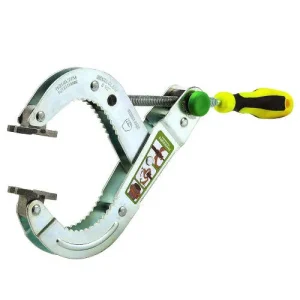
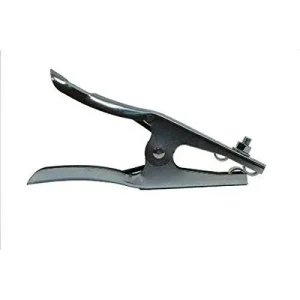
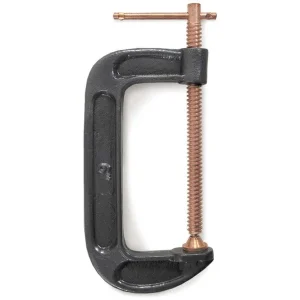
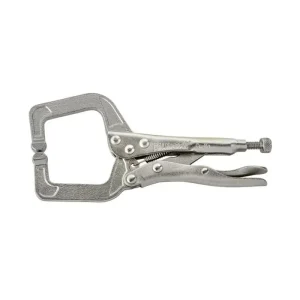
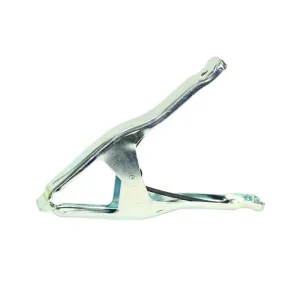
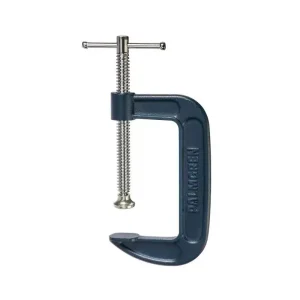
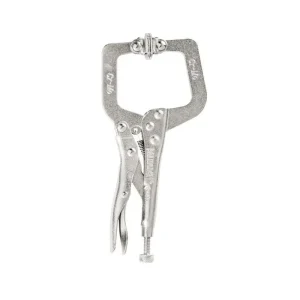
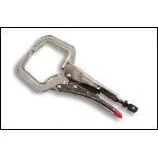
F-clamps and bar clamps are the general-purpose choice for holding flat and square sections. Bar clamps have deeper throats and are better for wide assemblies. C-clamps are compact and strong and reach into places other clamps cannot. Locking pliers and locking clamps are one-handed and fast for small parts and temporary holds.
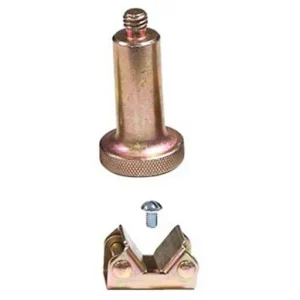
Specialty clamps solve specific alignment problems. Corner clamps and angle clamps hold two pieces at 90 degrees. Pipe clamps align round sections. Butt weld clamps hold plate flush across a seam. Step clamps and hold-downs work with fixturing tables. Each is a time saver for the joint it was designed for.
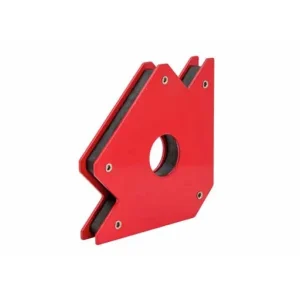
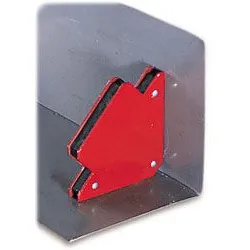
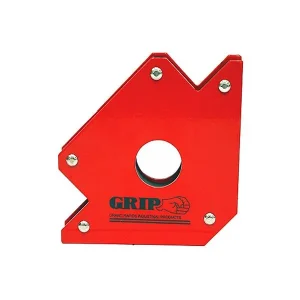
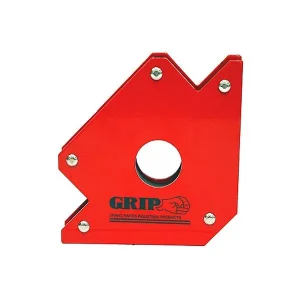
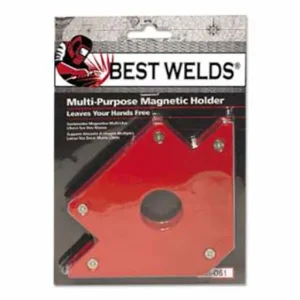
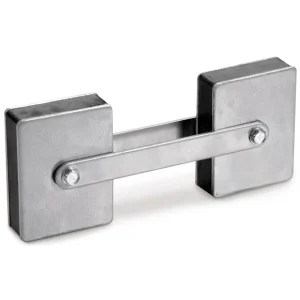
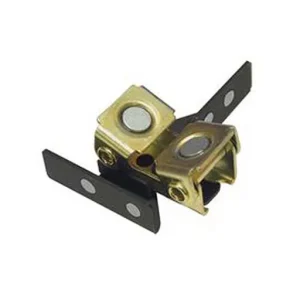
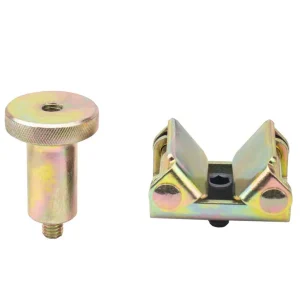
Magnetic holders are fast and need no setup, but their holding force depends on material and thickness. Magnets hold strongly on thick mild steel and poorly on thin sheet, stainless and aluminium (which are non-magnetic or weakly magnetic). Magnetic squares stay accurate only if they are kept clean — metal dust on the faces reduces holding force and puts the angle off.