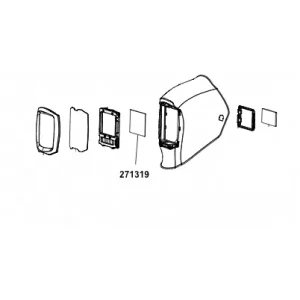




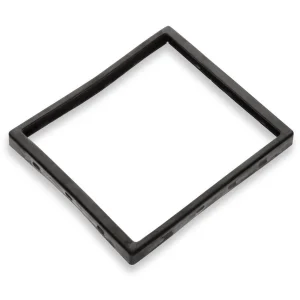

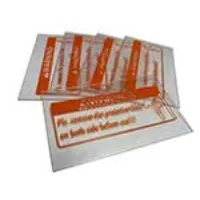
The arc produces ultraviolet radiation intense enough to cause arc eye — a painful burn of the cornea — within seconds of direct exposure, and infrared that damages the retina with cumulative exposure.
Auto-darkening helmets use a liquid crystal filter that switches from a light state to a dark state when the arc strikes. The specification that matters most is the dark shade: shade 10 for low-amperage TIG and light work, 10-11 for MIG and general fabrication, 11-13 for high-amperage and heavy plate. Too light a shade causes arc eye and long-term eye damage; too dark makes it impossible to see the puddle.
Switching time and the number of arc sensors determine how the helmet behaves in real work. Faster switching and more sensors mean less chance of a flash getting through when the arc starts at an angle or around an obstruction. Fixed-shade passive helmets have no switching delay and never fail, which is why many shops keep one as backup.
Light state and viewing area affect how much you can see before the arc starts. A larger viewing area and a lighter light state make it easier to position the torch and follow a joint, but a larger filter costs more and weighs more. Headgear design matters for long shifts — a helmet that does not adjust properly causes neck strain and a poor fit means the helmet moves when you nod to drop it.
Air-fed and PAPR helmets add powered filtration, which handles fume and heat. They are the practical choice for stainless, galvanised and painted metal, and for any production welding where the welder is under the hood for hours at a time.