The fume contains metal oxides from the filler and the base metal, and on stainless steel it includes hexavalent chromium; on galvanised steel it includes zinc oxide.
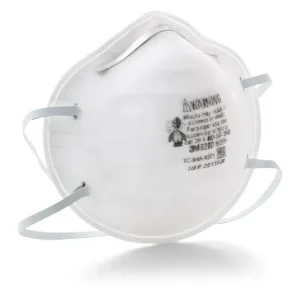
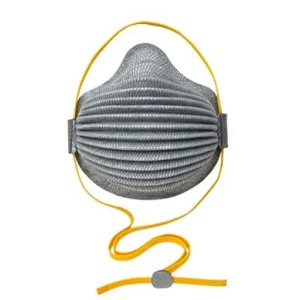
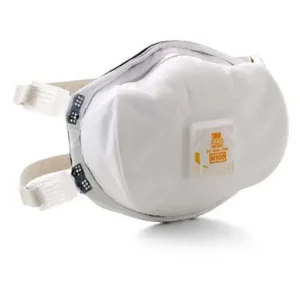
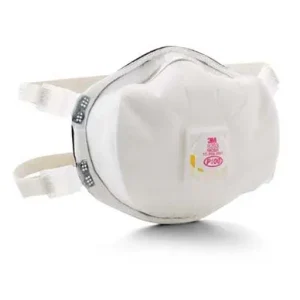
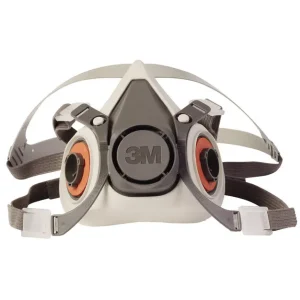
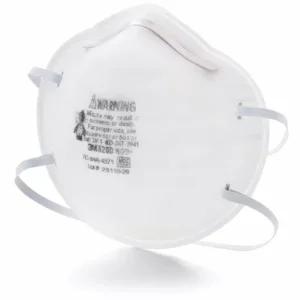
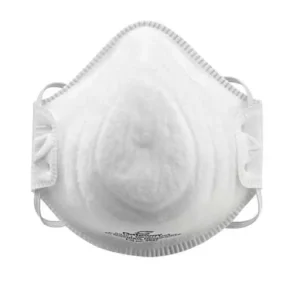
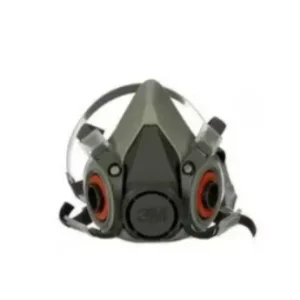
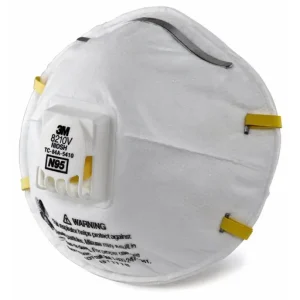
Respirator type depends on the exposure. A half-mask respirator with particulate filters is the minimum for general welding fume. A full-face respirator adds eye protection but is incompatible with a welding helmet unless it is a purpose-built PAPR system. PAPR (powered air-purifying respirator) systems draw air through filters and blow it into the helmet, which handles fume, heat and the discomfort that makes people stop wearing a respirator.
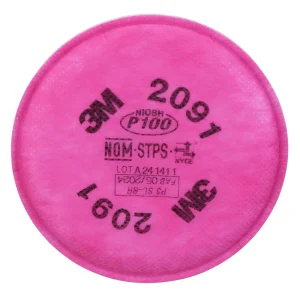
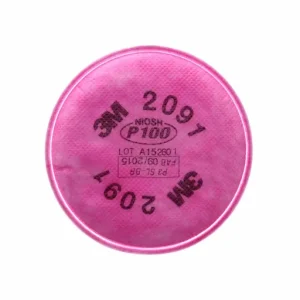
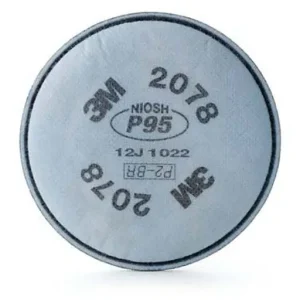
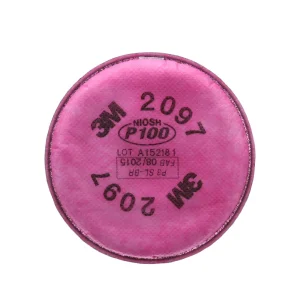
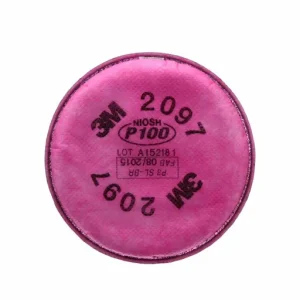
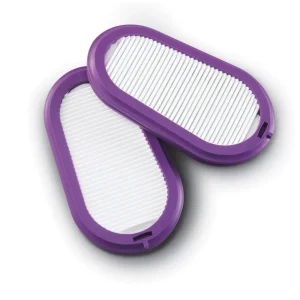
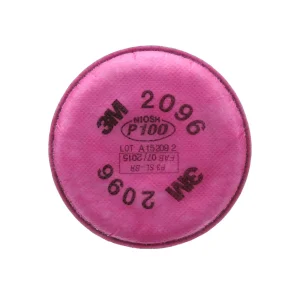
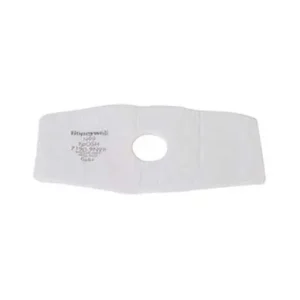
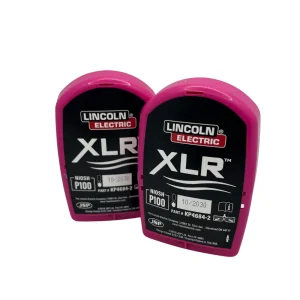
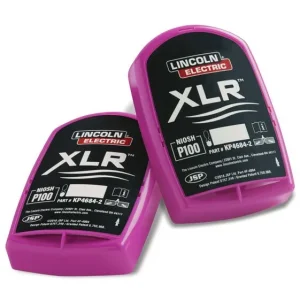
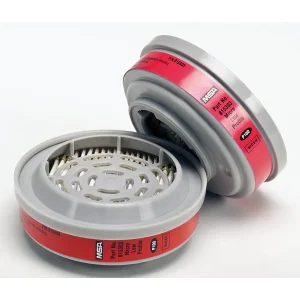
Filter selection must match the hazard. P100 particulate filters capture welding fume particles. Where there is also gas or vapour — from paints, solvents or coatings — a combination cartridge is needed. Filters have a service life and must be replaced, not used until visibly clogged.
Fit is the factor that determines whether a respirator works at all. A respirator that leaks around the seal provides a fraction of its rated protection. Fit testing is required in many workplaces and is worth doing even where it is not.