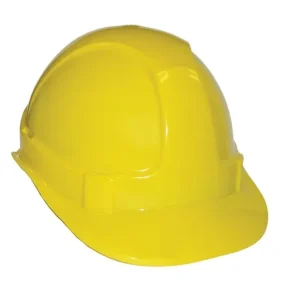


A scratched or spattered outer lens degrades visibility before it fails outright, and worn headgear is the most common reason a helmet gets replaced while the shell is still good.
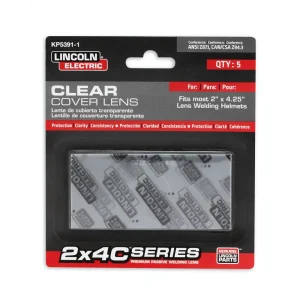
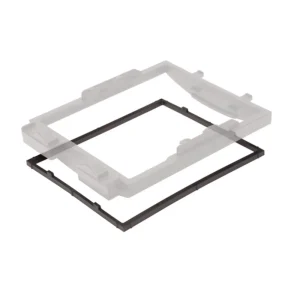
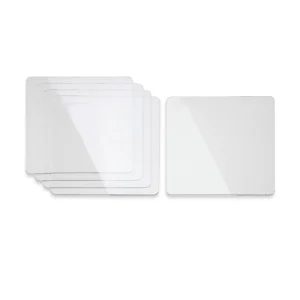
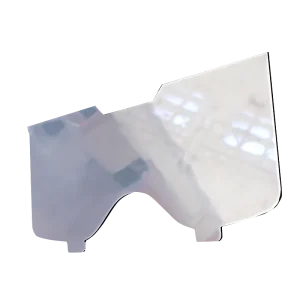
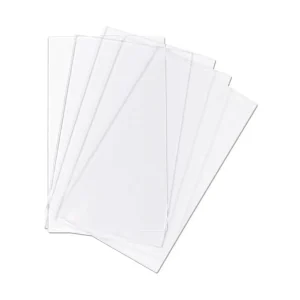
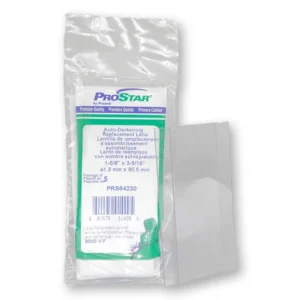
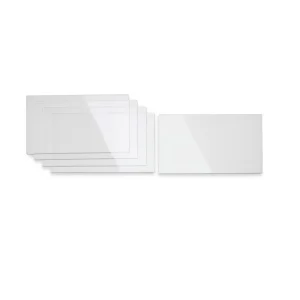
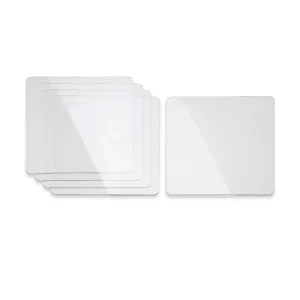
Outer cover lenses take the spatter so the filter does not have to. They are consumable and cheap, and replacing them when they get pitted is far cheaper than replacing a filter. Inner lenses protect the filter from the back and from perspiration. Both are specific to the helmet model and to the filter size — a 2x4 lens will not fit a 3.94x3.94 filter.
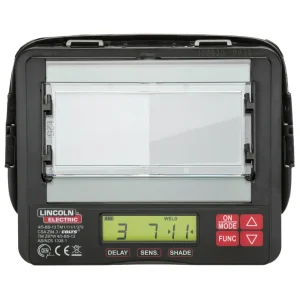
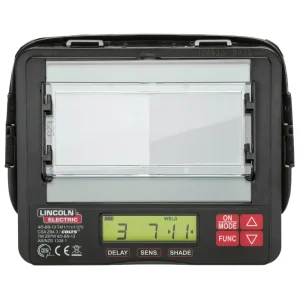
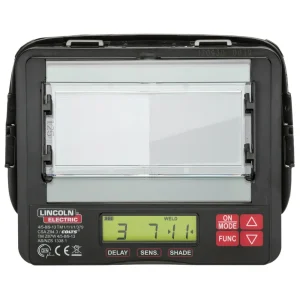
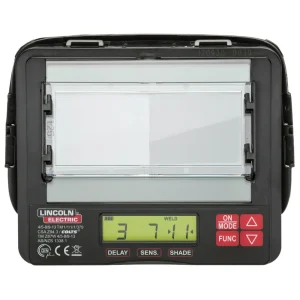
Auto-darkening filter cartridges are replaceable in most mid-range and professional helmets. A filter that stops darkening, darkens unevenly, or flickers needs replacing; the shell and headgear usually outlast several filters. Shade range and switching speed are the specifications to compare when replacing.
Headgear, sweatbands and comfort pads are what determine whether a helmet can be worn for a full shift. A worn ratchet mechanism lets the helmet drop when you do not want it to; a stretched sweatband lets the helmet sit too low. Both are inexpensive and both are worth replacing rather than living with.
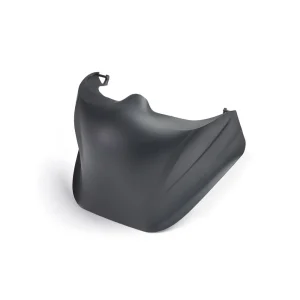
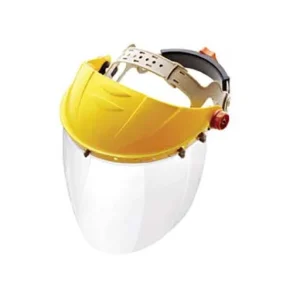
Grinding shields and clear face plates let the helmet be used for grinding without raising it. Many auto-darkening helmets have a grind mode that holds the filter in the light state, which is useful — but the impact protection of a welding filter is not the same as a proper face shield, so the two are not fully interchangeable.