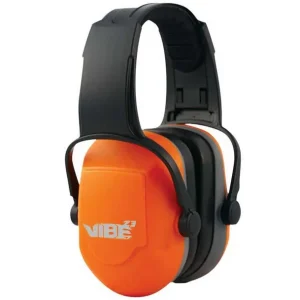
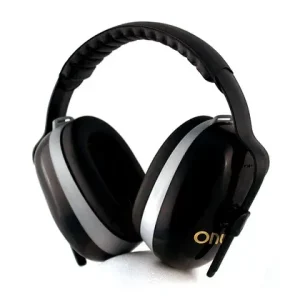
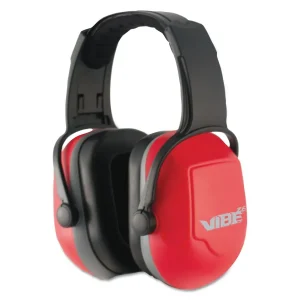
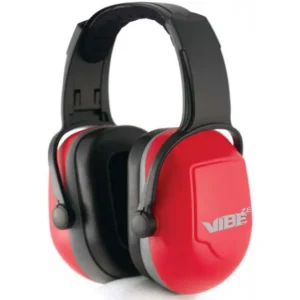
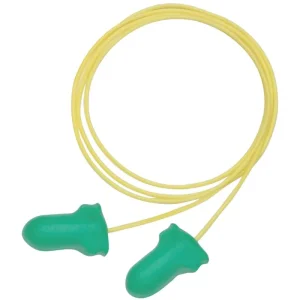
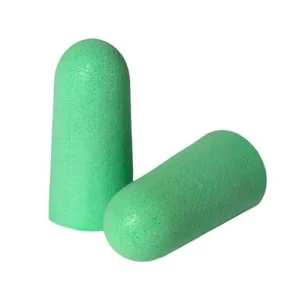
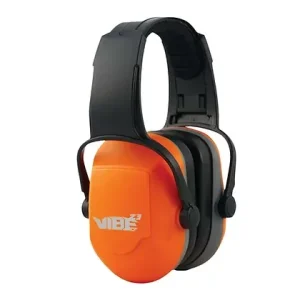
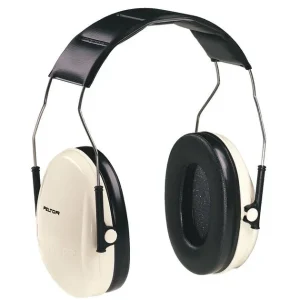
Grinders, plasma cutters, chop saws, air tools and hammering all produce levels that damage hearing with prolonged exposure, and hearing loss from noise is permanent and cumulative.
Protection is rated by noise reduction rating (NRR), a laboratory figure in decibels. Real-world attenuation is typically lower than the NRR suggests, and the standard practice is to subtract a margin when estimating protection. A shop that runs grinders most of the day needs protection rated well above the bare minimum.
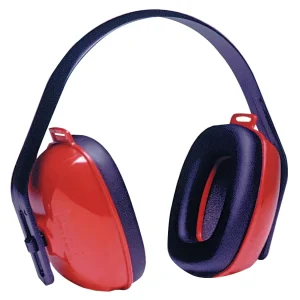
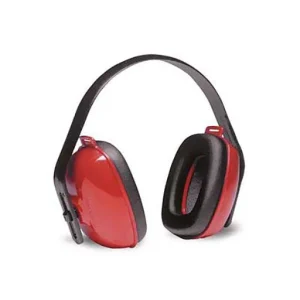
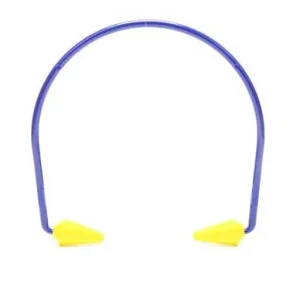
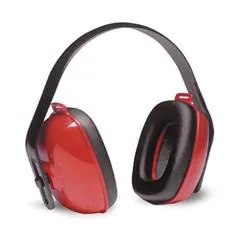
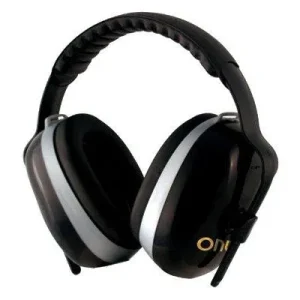
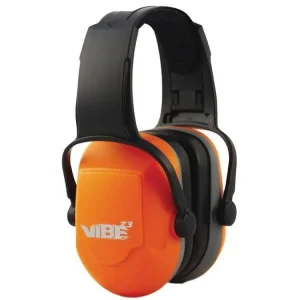
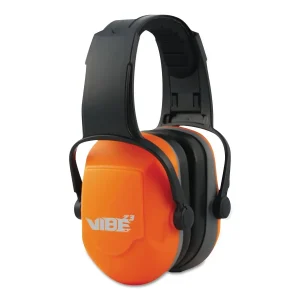
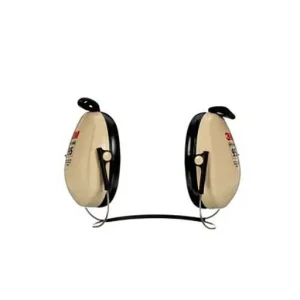
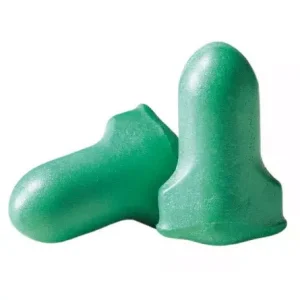
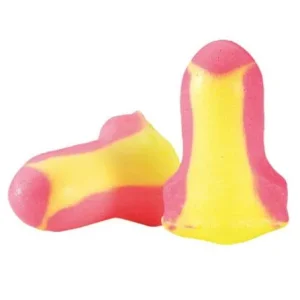
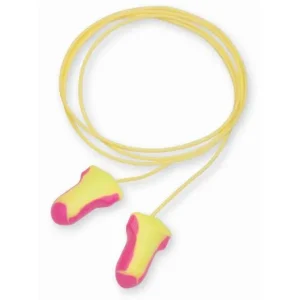
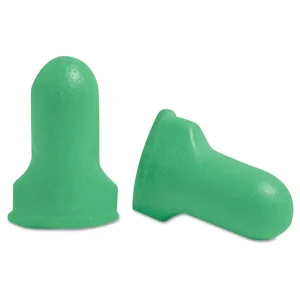
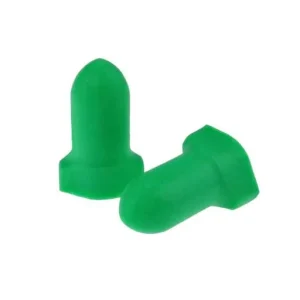
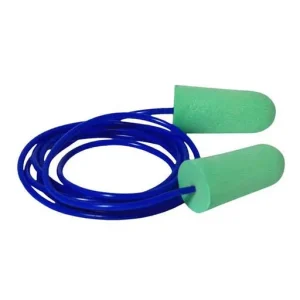
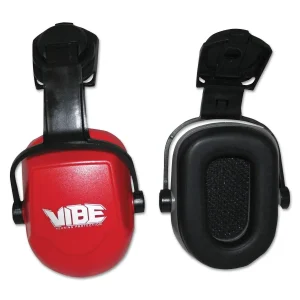
Form follows use. Foam earplugs give the highest attenuation and are inexpensive, but they must be inserted properly — a partly inserted plug provides a fraction of its rating. Banded plugs are convenient for intermittent use because they hang around the neck. Earmuffs are easy to put on and take off and are the practical choice where protection is needed intermittently; they can be worn over earplugs for very loud environments.
Compatibility with other PPE matters. Earmuffs interfere with hard hats and with welding helmets; slim-profile muffs and helmet-mounted versions exist for that reason. Electronic muffs attenuate loud noise while passing speech, which helps in a shop where people need to communicate.