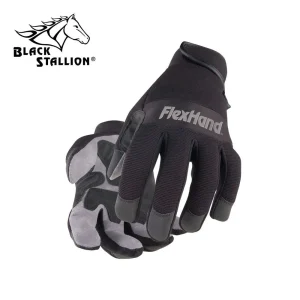
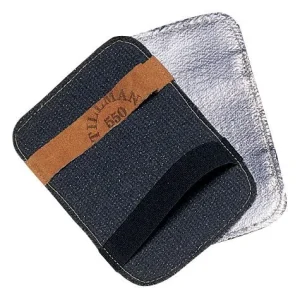
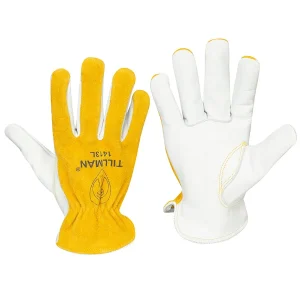
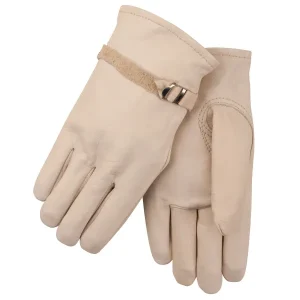
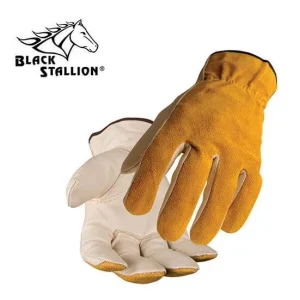
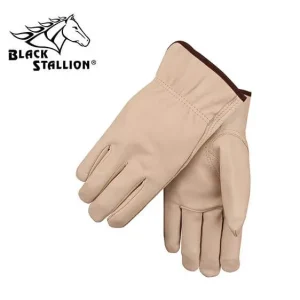
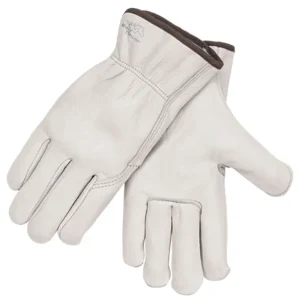
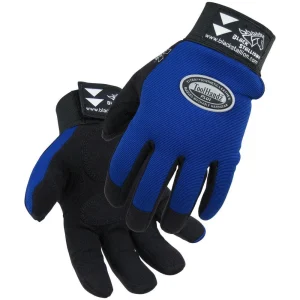
Welding gloves are chosen by process and by heat exposure, and the difference between the right and wrong glove is both comfort and safety. A glove too heavy for TIG kills the dexterity that TIG depends on; a glove too light for stick welding lets radiant heat through in a few minutes.
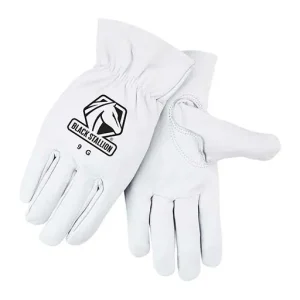
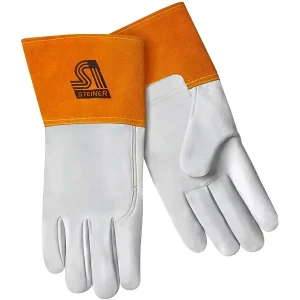
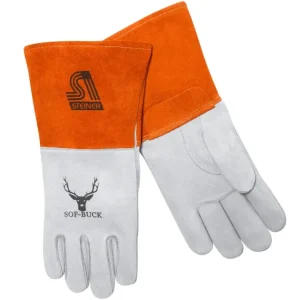
TIG gloves are thin — usually goatskin, deerskin or thin split cowhide — because TIG work requires feeling the filler rod and the puddle. They protect against the arc and light spatter but are not built for heavy heat. Most TIG welders go through several pairs a year.
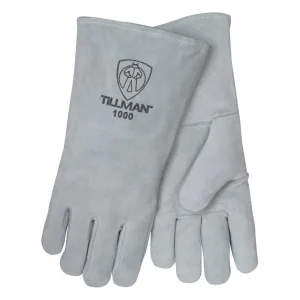
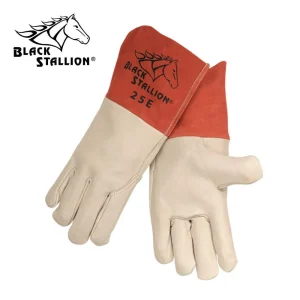
MIG gloves are mid-weight leather, typically split cowhide or grain pigskin, with a gauntlet cuff that covers the forearm. They balance dexterity against spatter protection. Stick gloves are heavier again, often with a full leather back and a longer cuff, because stick welding throws more spatter and the electrode holder runs hot.
Aluminised and reflective gloves are for radiant heat — furnace work, casting, and welding near hot surfaces. They reflect heat rather than insulating against contact, so they are not a substitute for leather where the hand contacts hot metal.
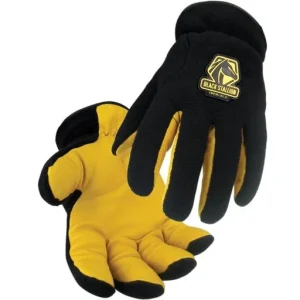
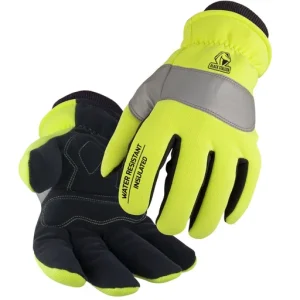
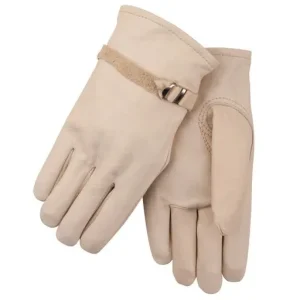
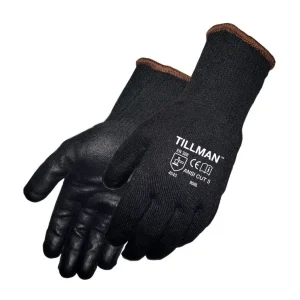
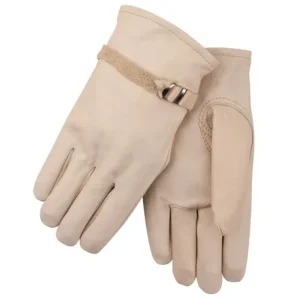
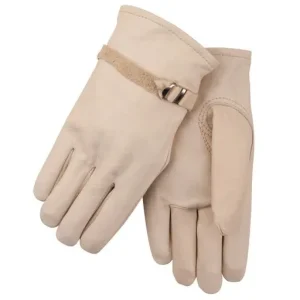
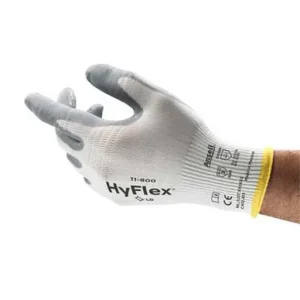
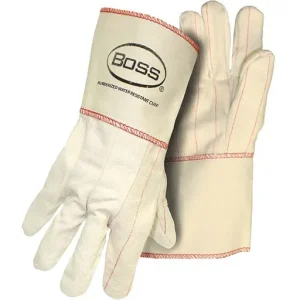
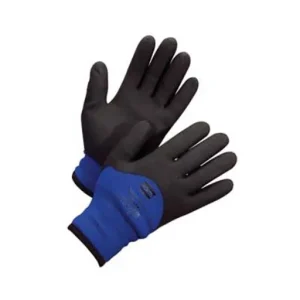
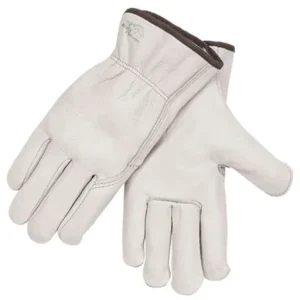
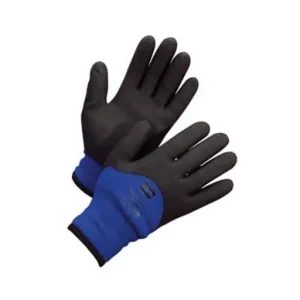
Specialty gloves cover specific risks: cut-resistant liners under welding gloves, heat-resistant Kevlar-sewn gloves for high radiant heat, drivers' gloves for handling material, and winter-lined versions for cold sites. Fit matters — a glove that is too large catches on clamps and controls, one that is too tight restricts grip and wears through faster.