

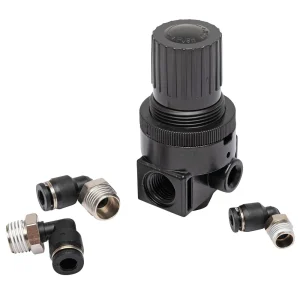
Both sit between a 2,000-3,000 psi cylinder and a process that needs 15-25 SCFH, which makes them one of the few components where a cheap failure is also a dangerous one.
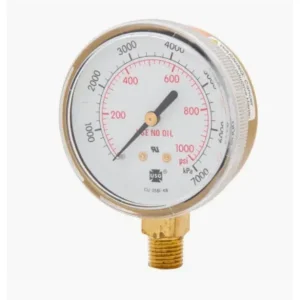
Pressure regulators are specified by inlet connection (CGA number), maximum inlet pressure, delivery pressure range and flow capacity. A regulator rated to 4,000 psi inlet with a 0-60 psi delivery range suits MIG and TIG shielding gas; cutting and heating work needs higher delivery pressures and different ranges. Two-stage regulators hold delivery pressure more steadily as the cylinder drains, which matters on long production runs.
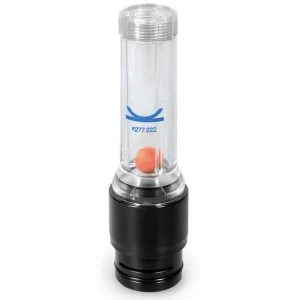
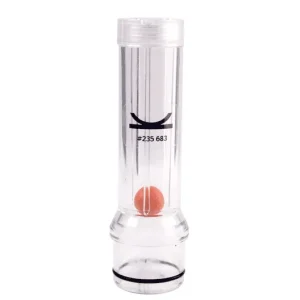
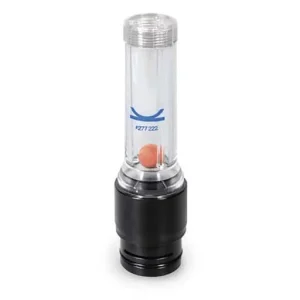
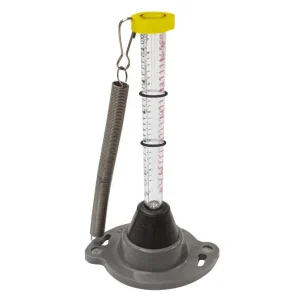
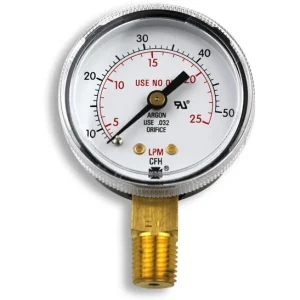
Flowmeters and flow gauges measure gas flow rather than delivery pressure. Flow is what determines shielding coverage — a regulator set to 25 psi tells you nothing about whether the gas is actually reaching the weld at the right rate. Ball-type flowmeters are the standard on MIG and TIG; some units combine a regulator and flowmeter in one body.
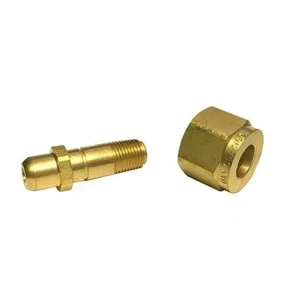
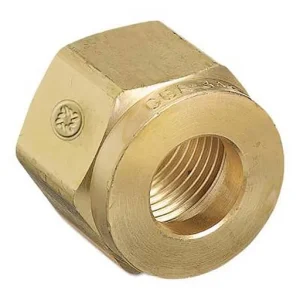
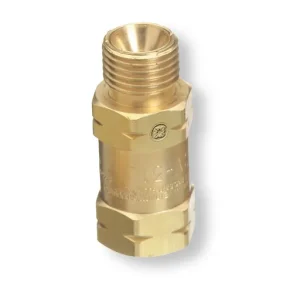
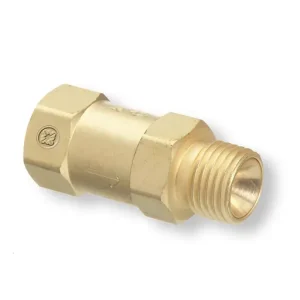
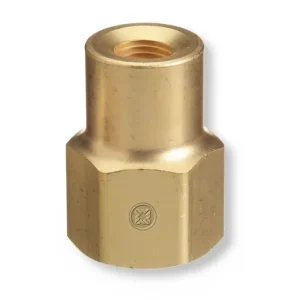
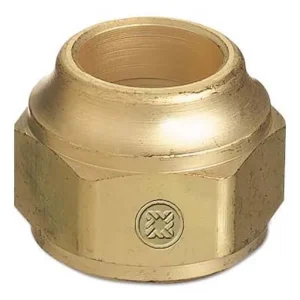
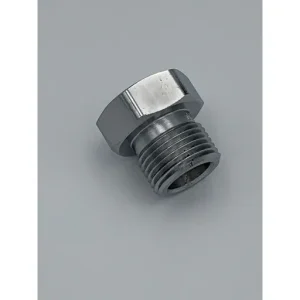
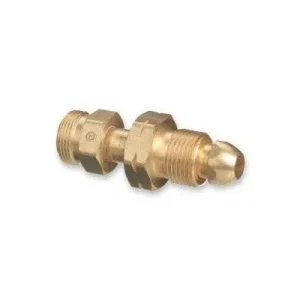
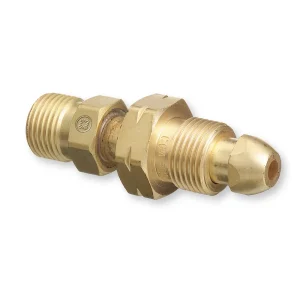
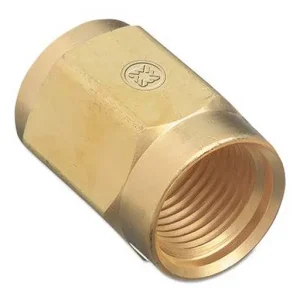
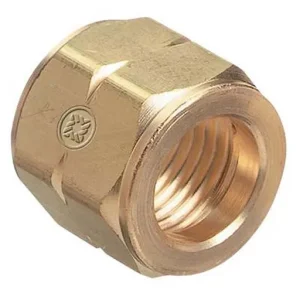
CGA connections are not interchangeable by design, and that is a safety feature rather than an inconvenience. CGA-580 for argon and argon mixes, CGA-320 for carbon dioxide, CGA-510 for acetylene, CGA-350 for nitrogen. Adapters exist, but using one to cross gas services defeats the fitting incompatibility that prevents a fuel gas from being connected to an oxygen regulator.
Pigtails, manifolds and high-purity regulators cover multi-cylinder supply and lab-grade gas. Every regulator here is listed with its CGA inlet, delivery range and service so it can be matched to the cylinder before ordering.