A worn set changes cut quality, kerf width and dross long before it stops cutting.
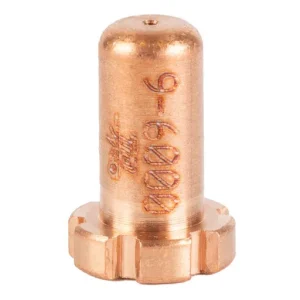
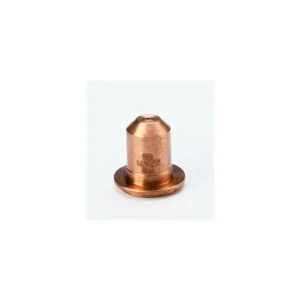
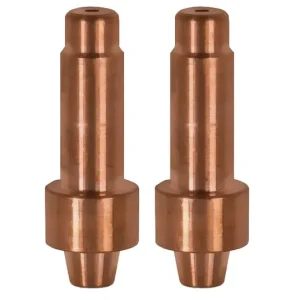
The electrode carries the pilot arc and is the part that wears out first. It has a hafnium or tungsten insert that erodes with each start; the number of starts a consumable set survives depends far more on how the torch is used than on cutting time. Piercing thick material, cutting at the wrong amperage, or starting the arc in the air all shorten electrode life sharply.
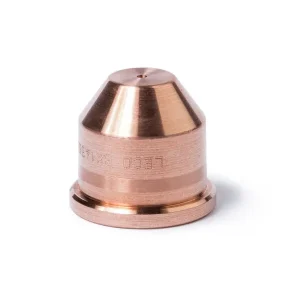
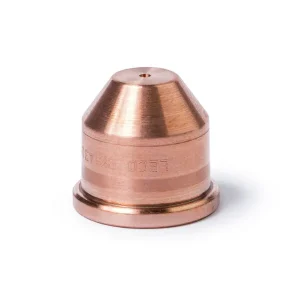
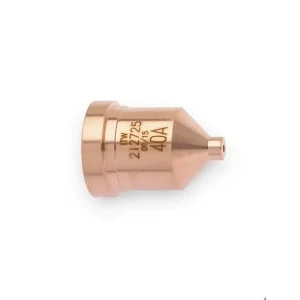
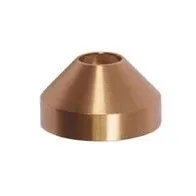
The nozzle shapes the plasma jet. Its orifice erodes oversize with use, which widens the kerf, produces dross on the bottom edge and eventually causes a double arc that destroys the nozzle outright. Cutting at higher amperage than the nozzle is rated for accelerates that wear.
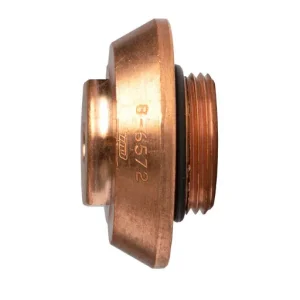
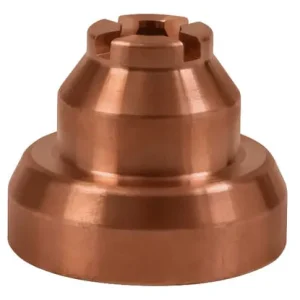
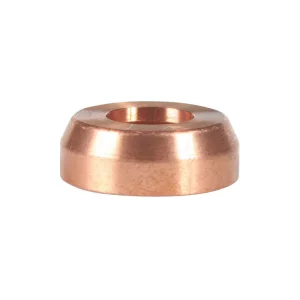
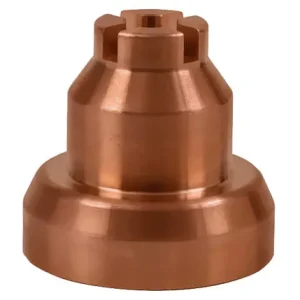
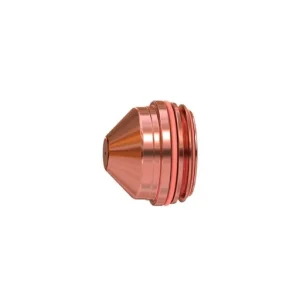
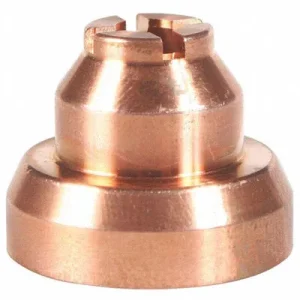
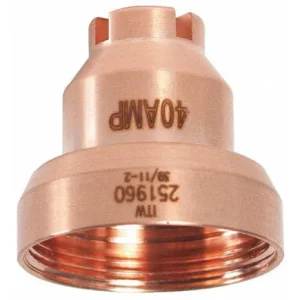
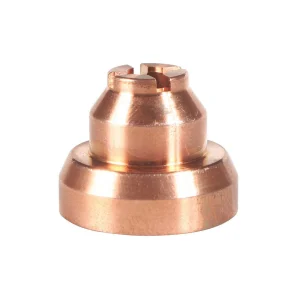
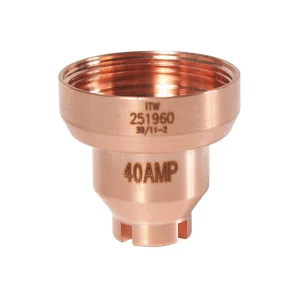
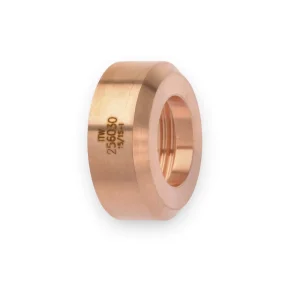
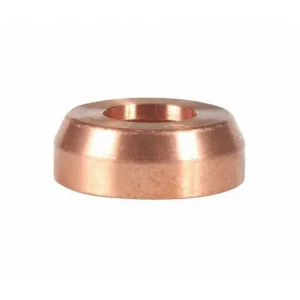
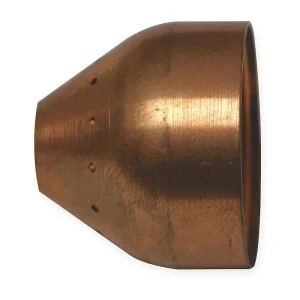
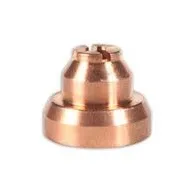
Swirl rings, shields and retaining caps control gas flow and protect the nozzle. A damaged swirl ring gives an unstable arc; a damaged shield gives poor cut quality and can let the torch short against the plate. Retaining caps hold the stack together and must be the correct type for the torch.
Consumables are matched to the torch and to the cutting amperage. Hypertherm Powermax, Thermal Dynamics Cutmaster and Lincoln Tomahawk each use their own stack, and within a torch family the consumables differ by amperage and by cutting versus gouging. Using the wrong set produces poor cuts and can damage the torch.