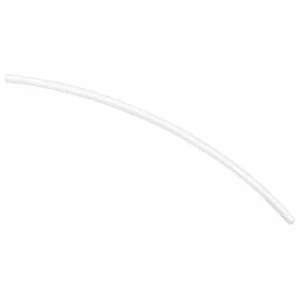
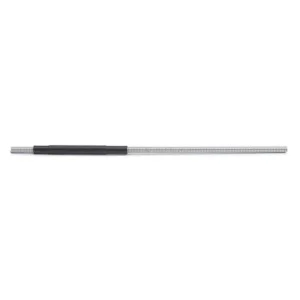
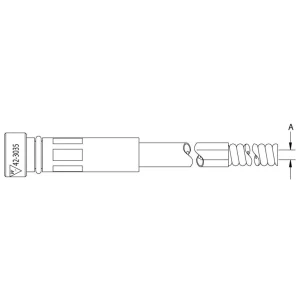
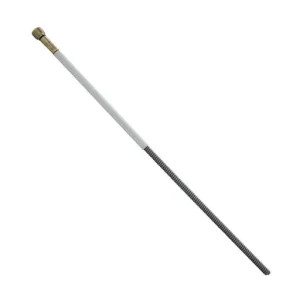
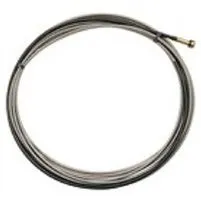
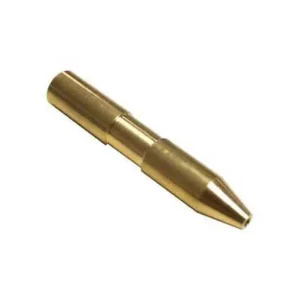
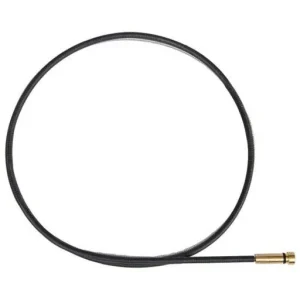
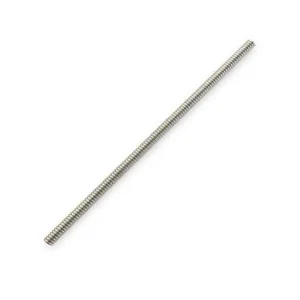
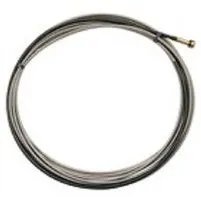
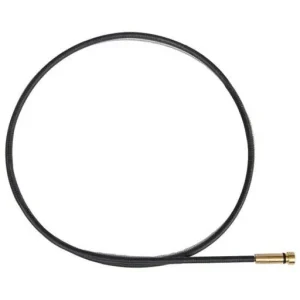
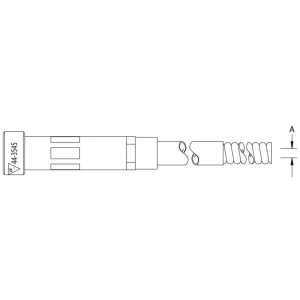
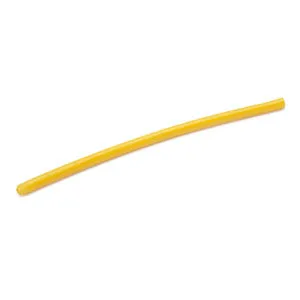
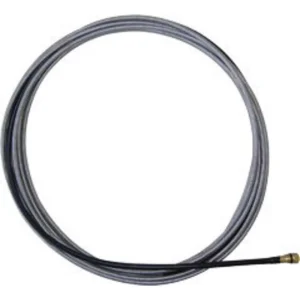
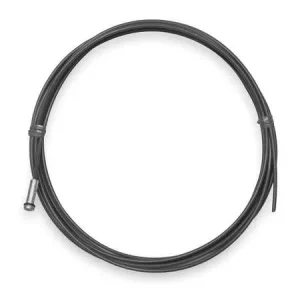
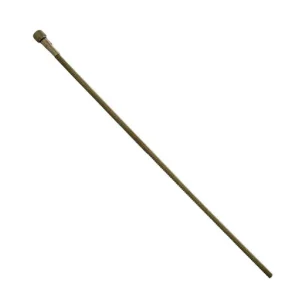
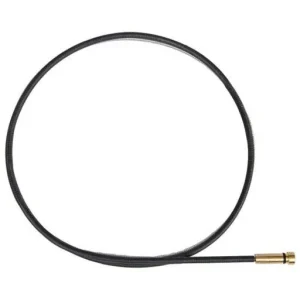
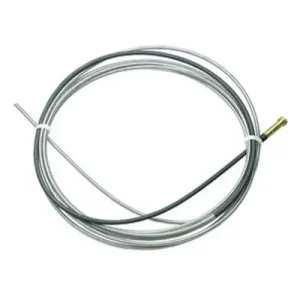
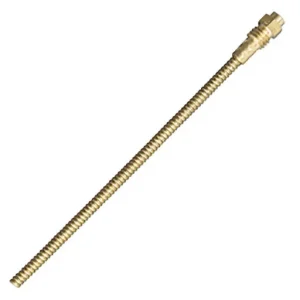
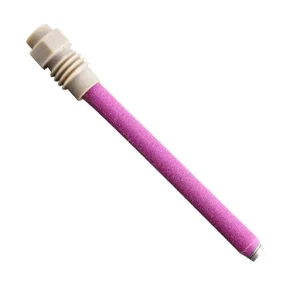
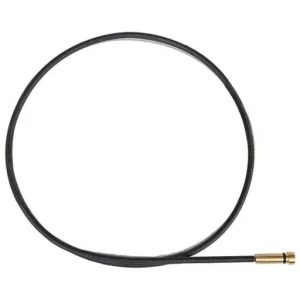
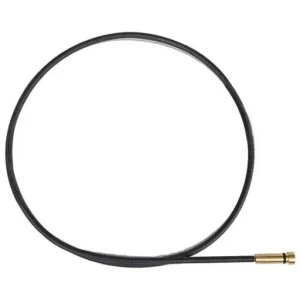


Liner material must match the wire. Steel liners are standard for steel and stainless wire. Teflon or nylon liners reduce friction and are required for aluminium, which is soft enough that a steel liner will shave it. A liner that is too tight for the wire diameter causes drag and inconsistent feed.
Liner length must match the gun. A liner that is too short leaves the wire unsupported at the feeder end; too long and it kinks inside the gun. Liners are trimmed to length on installation and the cut end must be deburred — a burr at the liner end will catch the wire on every pass.
Replacement interval depends on use, but a liner that has been kinked, contaminated with shaved metal, or run with the wrong wire type will cause chatter, bird-nesting and poor arc stability. Replacing a liner is inexpensive and fixes problems that adjusting roll pressure will not.