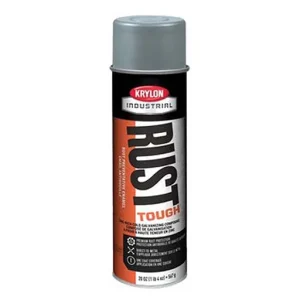
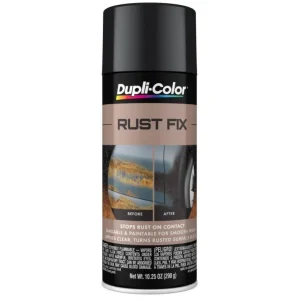
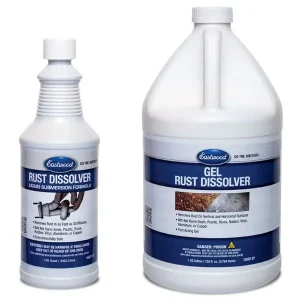
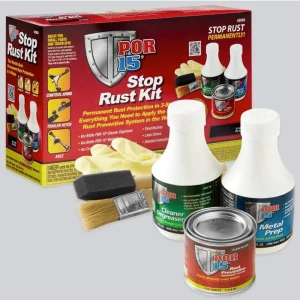
Rust converters chemically convert iron oxide into a stable black compound that accepts paint. They are used on rusted surfaces that cannot be fully removed. They are not a substitute for removing loose rust — converter applied over flaking rust binds the flakes, not the steel, and the coating fails.
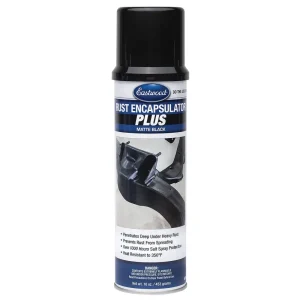
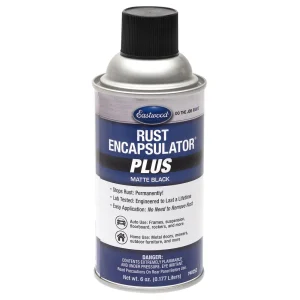
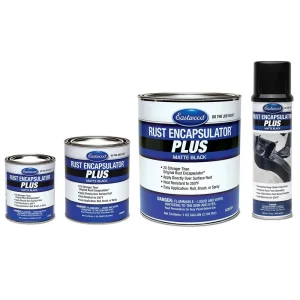
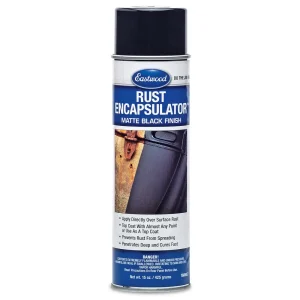
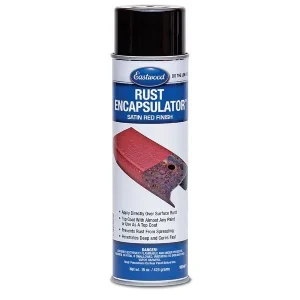
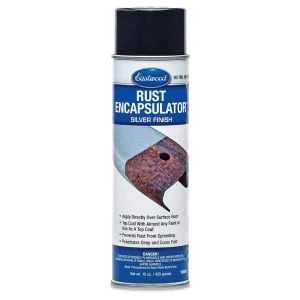
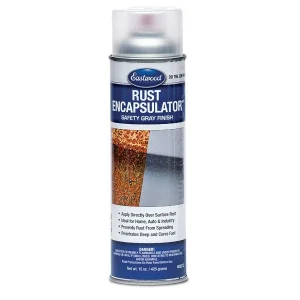
Rust encapsulators seal rusted metal under a hard film that excludes moisture and oxygen. They work on rust that is tightly bonded but cannot be removed, and are commonly used on frames, underbodies and chassis. The film must be continuous or corrosion restarts at the breaks.
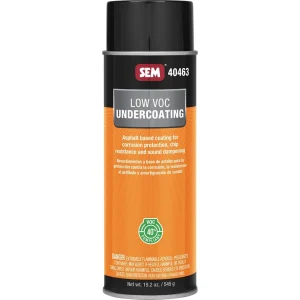
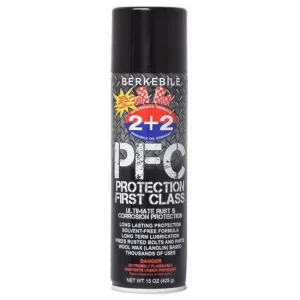
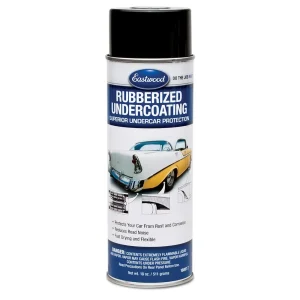
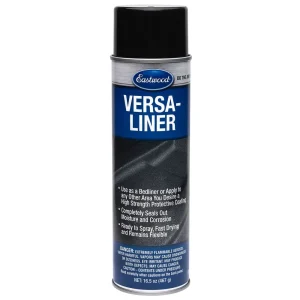
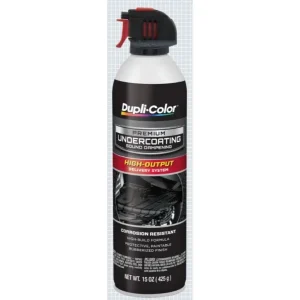
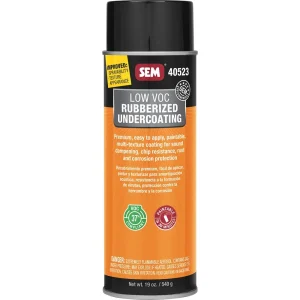
Chassis coatings, bed liners and undercoatings provide a durable barrier against abrasion and moisture. Polyurethane and epoxy bed liners resist impact and chemical attack; rubberised coatings give more sound deadening but less abrasion resistance. Surface preparation determines adhesion, and a coating applied over oil or loose rust will peel.
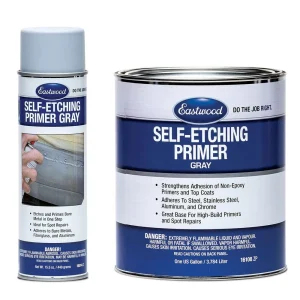
Application conditions matter for all of these products. Temperature and humidity outside the specified range prevent proper curing, and most products require bare metal or a specific primer underneath.