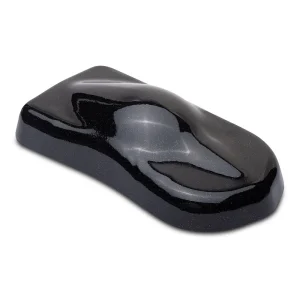
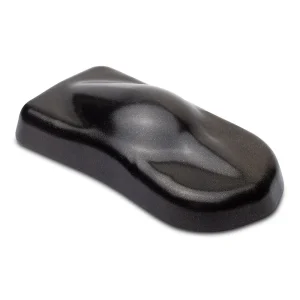
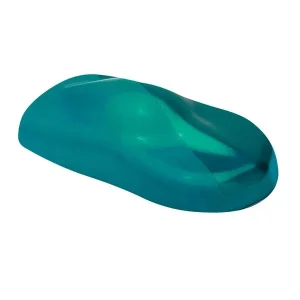
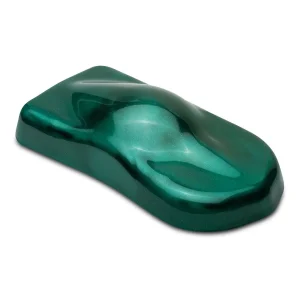
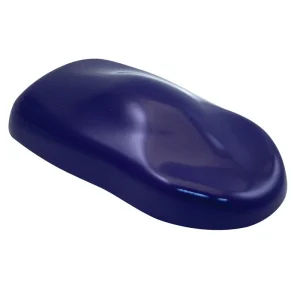
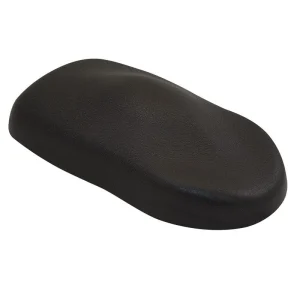
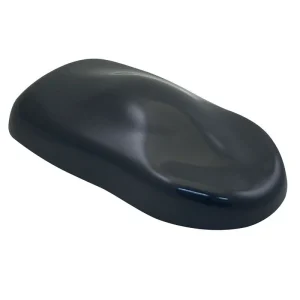
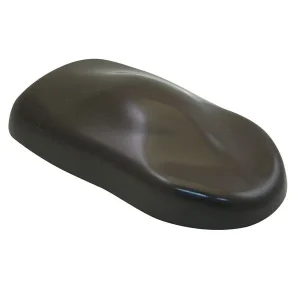
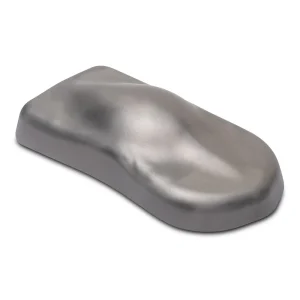
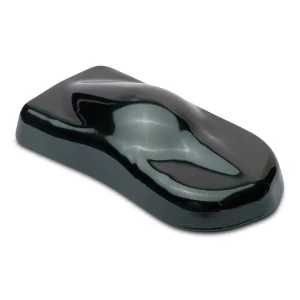
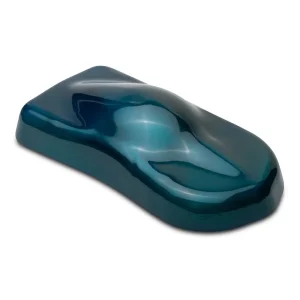
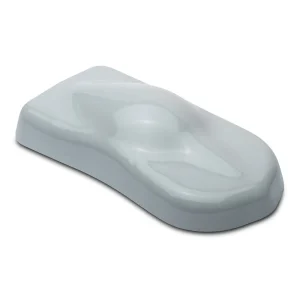
Powder coating applies a dry polymer powder electrostatically and cures it under heat into a hard, continuous film. It gives better durability and chemical resistance than most liquid coatings and produces no solvent emissions, which is why it dominates OEM finish work on metal parts.
The process needs three things: a clean, properly prepared substrate; an electrostatic spray gun that charges the powder so it adheres; and an oven that cures the coated part at the powder's specified temperature and time. Missing any one of the three means the finish will not perform.
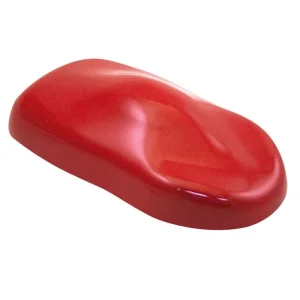
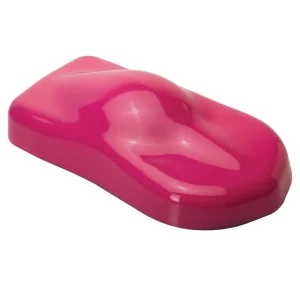
Powder type determines the finish properties. Epoxy powders give excellent chemical resistance but chalk in UV; polyester and polyester-epoxy hybrids hold colour and gloss outdoors; urethane powders give the best appearance and durability. The choice follows where the part will live.
Surface preparation is the same discipline as liquid coating — blasting or chemical pretreatment, then a conversion coating where corrosion resistance is needed. Powder applied over contamination or rust will fail by adhesion loss, and the failure is not visible until it happens.
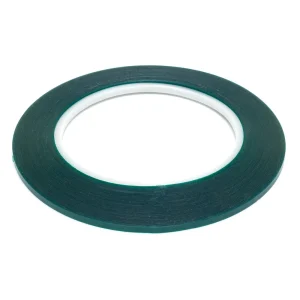
Pretreatment and part hanging matter for coverage. Powder cannot reach into recesses the way liquid paint can, and heavy parts take longer to come up to cure temperature. Masking of threads, mating surfaces and grounding points is part of the job.