

Skipping a layer or using incompatible products within a system is the most common cause of a finish that fails months later.
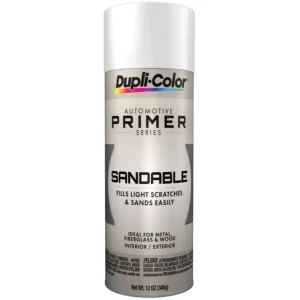
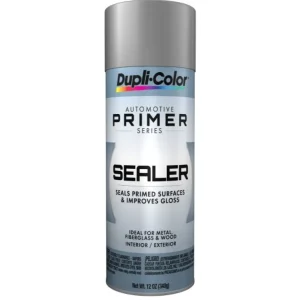
Primer provides adhesion and corrosion protection over bare metal and body filler. Etch primer bonds to bare steel and aluminium; epoxy primer seals and provides a stable base; urethane primer surfacer fills sanding scratches and builds film thickness for blocking. Primer choice depends on the substrate and on what is going over it.
Basecoat provides colour. It is applied thin and does not provide protection on its own — it needs clearcoat over it. Metallic and pearl basecoats require uniform application to avoid mottling and striping, which is why technique matters more with these than with solid colours.
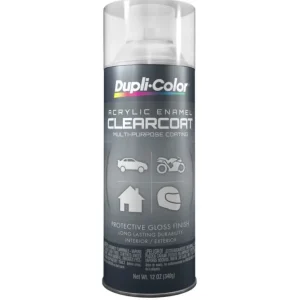
Clearcoat provides UV protection, gloss and chemical resistance. It is what fails first in a neglected finish, and once the clearcoat breaks down the basecoat degrades quickly. Single-stage paints combine colour and protection in one product, which is simpler but less durable and harder to repair invisibly.
Mixing ratios are specific to each product line and are not interchangeable. Catalyst and reducer are matched to the temperature and humidity — a reducer for hot weather flashes too fast in the cold and causes solvent pop; the reverse causes runs and slow curing.