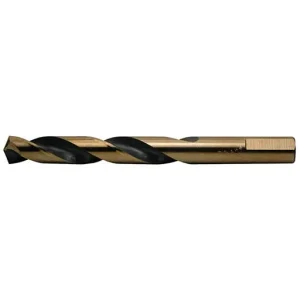
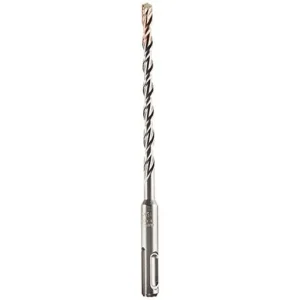
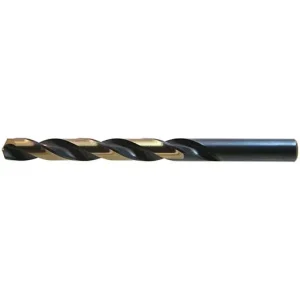
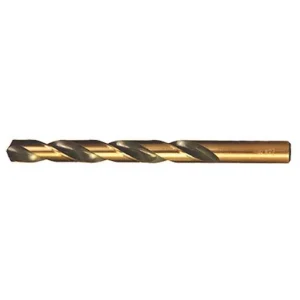
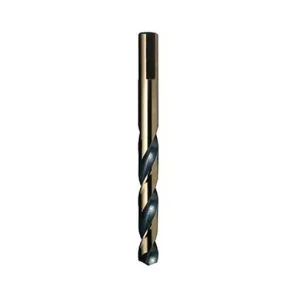
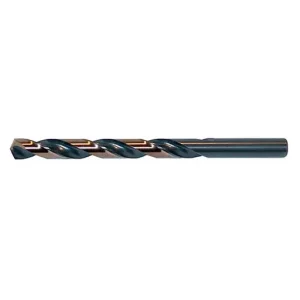
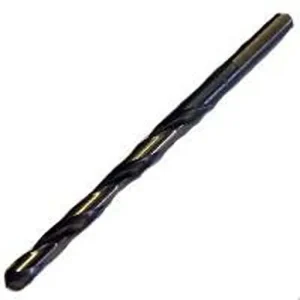
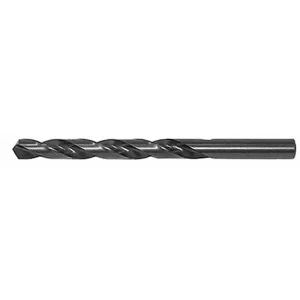
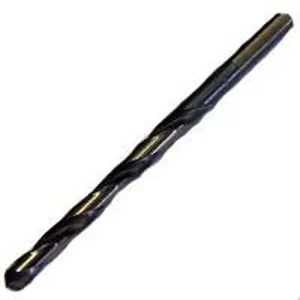
Drilling metal requires a bit matched to the material's hardness and to the hole size. Using a wood bit on steel, or a high-speed steel bit on hardened steel, produces heat, work-hardening and a ruined bit rather than a hole.
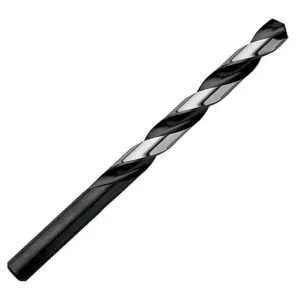
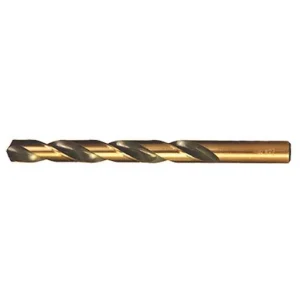
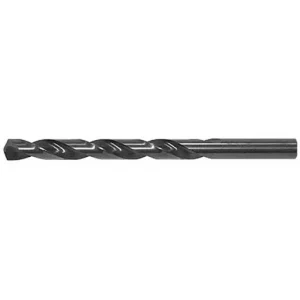
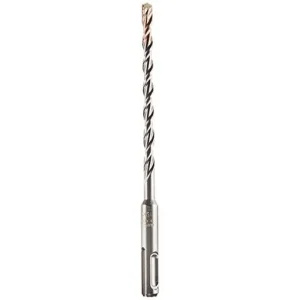
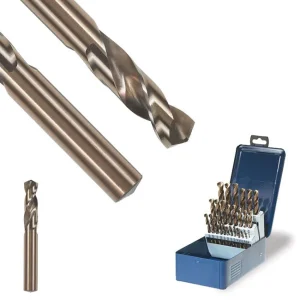
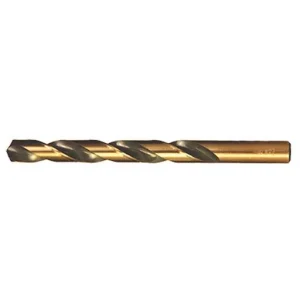
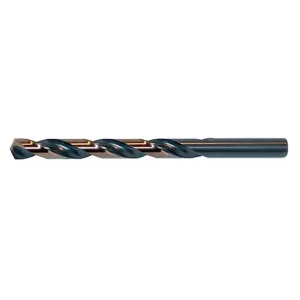
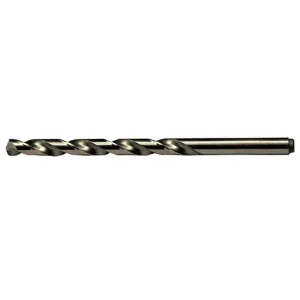
High-speed steel (HSS) is the general-purpose choice for mild steel, aluminium and plastics. Cobalt (M35, M42) holds hardness at higher temperatures and is used on stainless, which work-hardens and generates more heat. Carbide-tipped and solid carbide bits cut cast iron and hardened steel but are brittle and need a rigid setup. Titanium nitride and other coatings reduce friction and extend life but do not change the base material's capability.
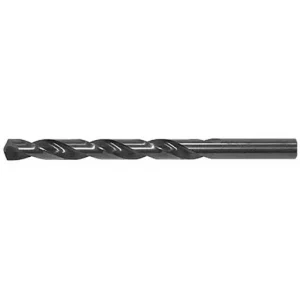
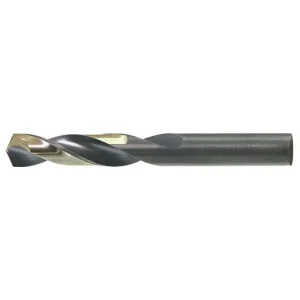
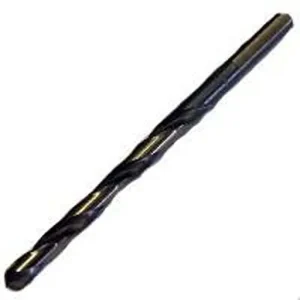
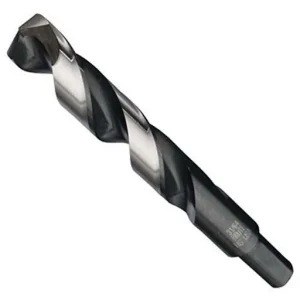
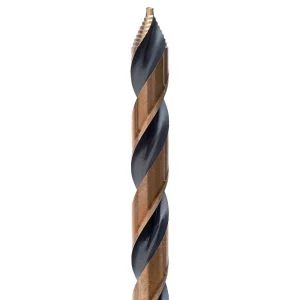
Point angle and flute design follow the material. 118 degrees is the general-purpose point; 135 degrees is the split point used on harder materials, which reduces the tendency to walk and needs less pressure. Jobber length is general purpose; screw-machine length is shorter and stiffer for production work; parabolic flutes clear chips faster in deep holes.
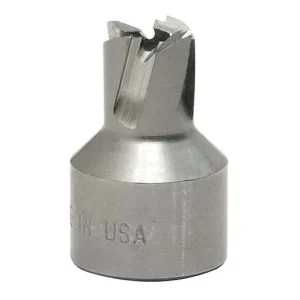
Hole saws cut large diameter holes where a drill bit would need too much torque. Bi-metal saws cut steel and stainless; carbide-tipped saws cut faster in steel but are less tolerant of operator error. Annular cutters cut holes in plate and structural steel with a magnetic drill — they cut only the periphery, so they need far less power than a hole saw of the same diameter.