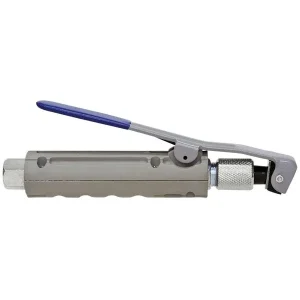
Abrasive blasting uses compressed air or a centrifugal wheel to propel abrasive media at a surface, removing rust, scale, paint, coatings and contamination, and producing a surface profile that coatings can bond to.
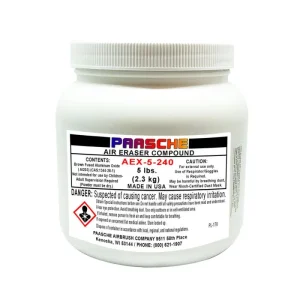
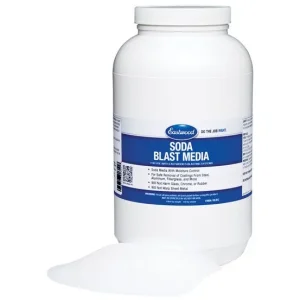
Media type determines the finish and the profile. Aluminium oxide is the general-purpose abrasive for steel — it cuts fast, can be reused several times, and produces a good anchor profile. Glass bead peens and cleans without removing base metal, giving a satin finish. Garnet and silica sand cut well but generate respirable dust, which is a serious health hazard. Plastic and soda media are used where the substrate must not be damaged — paint stripping from aluminium and fibre glass.
Media size sets the surface profile. Coarse media produce a deep profile for heavy coatings; fine media produce a smooth finish for thin coatings and for cosmetic work. The profile must match the coating specification.
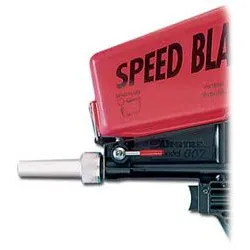
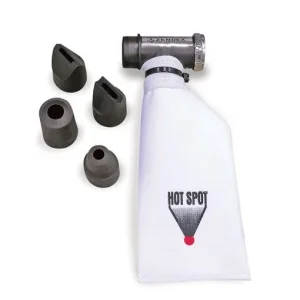
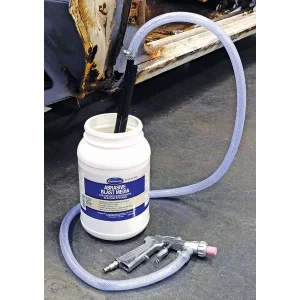
Cabinet, siphon and pressure systems differ in how the media is delivered. Pressure blasting is faster and more controllable; siphon systems are simpler and adequate for light work. Personal protection and ventilation are non-negotiable — respirable crystalline silica causes silicosis.